Song Meaning
The lyrics paint a stark picture of displacement and disorientation. The narrator feels utterly adrift, stating "I have to roam" and "I've got no home" with a sense of inevitability. This isn't just physical homelessness; the repeated "My mind is blown" and "The truth is unknown" suggest a profound mental and existential crisis. The world itself seems to have fundamentally shifted, with "The rules have changed today" and "This world is blown away."
The central tension lies in this overwhelming sense of change and the narrator's inability to cope or find grounding. The constant refrain of "Time has come today" acts as both a declaration and a lament, marking a point of no return. There's a desperate search for stability, hinted at by thoughts of "the subway," a place of transit and anonymity, but even that offers little comfort. The repetition of "I have no home" hammers home the depth of this isolation.
The most striking aspect of the writing is its raw, almost primal expression of anxiety. The short, declarative sentences and the insistent repetition of key phrases like "Time has come" and "I have no home" create a feeling of being trapped in a loop of escalating dread. The imagery is sparse but potent: the sun, usually a symbol of warmth and life, becomes something to stare at blankly, perhaps signifying a loss of hope or a blinding realization.
This directness is precisely what makes the lyrics so effective. They bypass complex metaphors for a gut-level articulation of feeling lost and overwhelmed. The relentless rhythm of the chorus, coupled with the stark pronouncements of loss, creates an almost hypnotic state, mirroring the narrator's own fractured mental space. It captures a moment of profound upheaval where the familiar has vanished, leaving only uncertainty and the stark realization that "time has come."
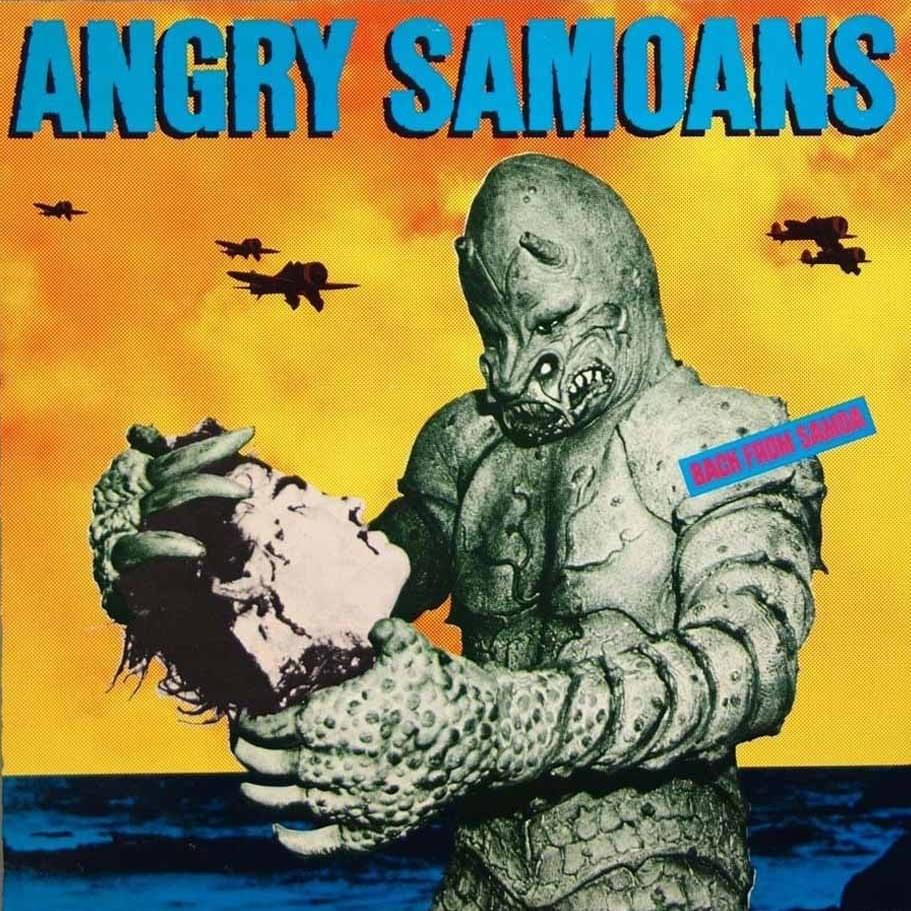
 View Artist