Song Meaning
This song frames a destructive period, a "year of drinking," as a direct consequence of a relationship. The narrator explicitly links the start and end of this intense phase to the presence and absence of another person. The opening lines establish a clear cause-and-effect, suggesting the relationship itself was the catalyst for this self-imposed chaos. The narrator seems to have embraced a reckless abandon, saying "yes to everything" and doing "just about anything," indicating a loss of control and self-preservation.
The core tension lies in the narrator's simultaneous desire for and destruction caused by this relationship, mirrored by their relationship with alcohol. The repeated listing of specific drinks – "Bloody Mary," "Screw driver," "Cocksucker" – acts as a grim litany, a catalog of their downfall. The phrase "on the rocks" takes on a double meaning, referring both to the ice in a drink and the precarious, broken state of their life and relationships. This suggests a deep-seated pain and a desperate attempt to numb it through excess.
The lyrics cleverly play on the double meanings of phrases like "give it to me straight up" and "straighten up and fly." Initially, these seem to be requests for clarity or a return to normalcy, perhaps even a plea for the other person to return. However, in the context of the drinking, "straight up" also refers to a pure, unadulterated shot of liquor, and "straighten up and fly" could be interpreted as a desire for oblivion or escape. The question "I was bent, are you broken?" powerfully encapsulates the damage inflicted, leaving the listener to wonder about the state of both individuals.
The narrator's "year of drinking" is presented not just as a personal failing but as a public spectacle, with "Everybody know about you" and "Everybody knew about us." Waking up in an "empty room" with a "reputation" highlights the isolation and shame that followed. The final wish, "I wish you would've seen me pull through," is a poignant expression of regret and a desire for validation, suggesting that even in their lowest moments, the narrator craved the approval of the person who initiated this downward spiral.
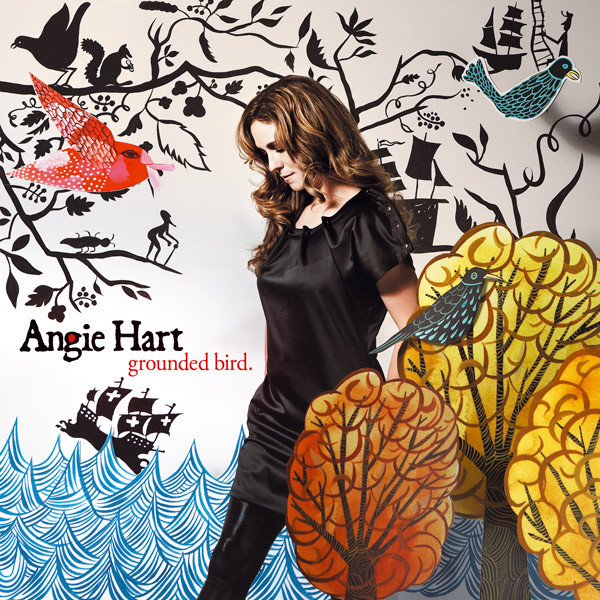
 View Artist