Song Meaning
The lyrics paint a picture of a pervasive, almost absurd, competitive environment where everyone is declared a winner, yet the underlying tension suggests a deeper, more unsettling reality. The opening lines, "Everyone's in a competition / Everyone wins, everyone's in," establish a surface-level participation trophy culture. However, this is immediately undercut by the act of comparison: "Her with him / Who is more skilled and accomplished." This highlights the inherent paradox – if everyone wins, what is the point of the competition itself, and what does it mean to be judged?
The central conflict emerges from this disjunction between proclaimed universal success and the implied struggle for validation. The questions "Is it the thrill? / Is it ok to kill?" and "Is it to sin to be a victim?" probe the ethical and emotional cost of this constant striving. The narrator seems to question the very nature of this game, especially when contrasted with the line "Everyone wins, they never feel pain," suggesting that the official winners are somehow detached from the emotional consequences that the narrator clearly experiences.
The imagery of "red, red shoes" and the desire to "follow you" introduces a personal yearning for escape or guidance amidst this societal pressure. These shoes, often associated with Dorothy's journey or a desire for agency and self-expression, here seem lost or unattainable. The narrator expresses a weariness with the "games that I don't fuck to play," indicating a profound alienation from the competitive norms being described. This personal struggle is amplified by the call to "Take this on the chin / Bite it deep within," a stark instruction for enduring hardship that feels at odds with the idea of everyone winning.
Ultimately, the lyrics effectively capture a feeling of being trapped in a system that demands participation and celebrates superficial victory, while simultaneously exposing the internal turmoil and existential questions it provokes. The repetition of "Everyone wins, everyone's in" becomes less a statement of inclusivity and more a mantra of enforced conformity, making the narrator's desire for something authentic, even if painful, all the more poignant.
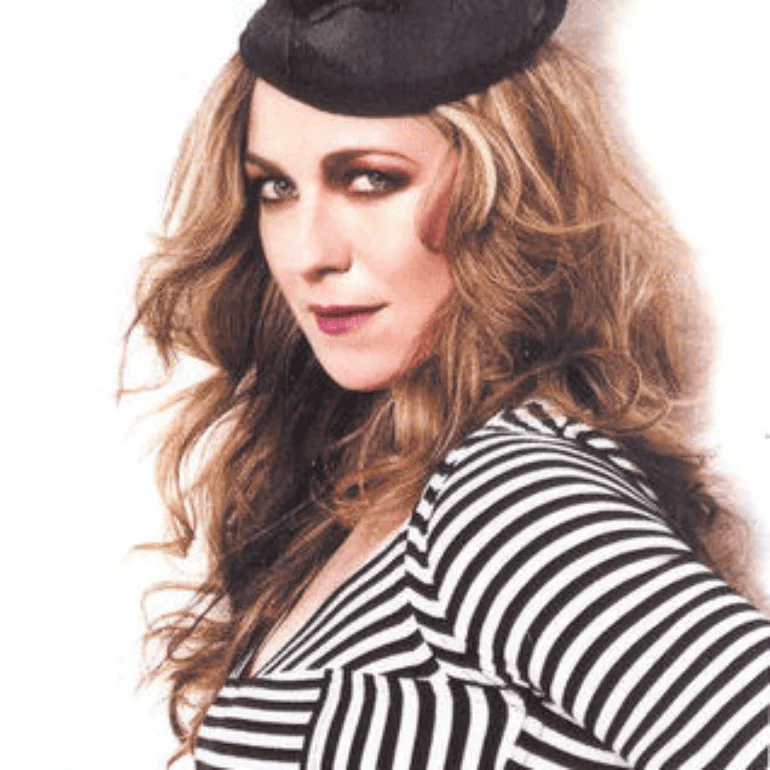
 View Artist