Song Meaning
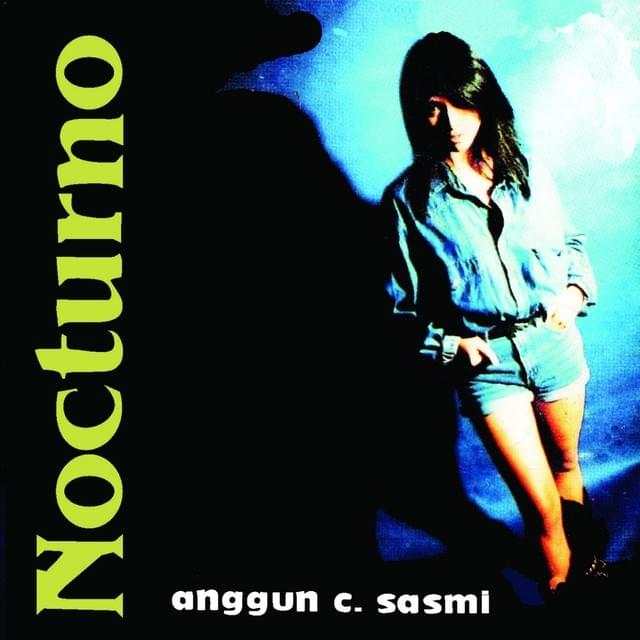
Anggun's "Nocturno" isn't a simple tale of incarceration; it's a searing indictment of societal judgment and the enduring weight of past mistakes. The song opens with a stark image: a young person, trapped not just behind bars, but also in a state of suspended animation, where time itself seems to have ceased. This sets the stage for a broader exploration of how society often condemns individuals, particularly the young, for errors that define their entire existence. The lyrics suggest a youthful indiscretion, a "sin" that irrevocably alters the course of a life. But Anggun doesn't dwell on the crime itself. Instead, she focuses on the relentless, unforgiving gaze of the outside world. The fear isn't just of physical confinement, but of the perpetual suspicion that will follow the protagonist long after release. This is the true "law," the haunting specter of judgment that eclipses any hope of redemption.
The chorus, with its haunting refrain of dreams unfulfilled and the cursed nature of the prison, speaks to the crushing of potential. The repeated line, "Dan tak mekar lagi aku" (And I will not bloom again), emphasizes the feeling of lost opportunity, of a life stunted by a single act. Yet, the final line of the chorus offers a glimmer of hope: "(Tempat yang terkutuk ini) bukanlah selamanya" (This cursed place is not forever). This suggests the possibility of eventual liberation, not just from the physical prison, but from the psychological shackles of societal condemnation.
Where "Nocturno" truly resonates is in its challenge to the listener. Anggun implores us to reconsider our own roles in perpetuating cycles of judgment. The lyrics directly question the cruelty of those who condemn, suggesting that hope itself might reside within the very individuals we have cast aside. The plea for forgiveness and the call to abandon prejudice are not mere platitudes. They are a stark reminder of the human cost of unforgiving societal structures. The song ultimately positions itself as a ballad of empathy, urging a shift from punitive condemnation to a more compassionate understanding of human fallibility. It's a call to see beyond the bars, both literal and metaphorical, and recognize the potential for growth and redemption within us all.
 View Artist