Song Meaning
Anggun's "Mon Cœur" isn't just a breakup song; it's a clinical dissection of emotional detachment. The song meaning unfolds as a stark timeline of a love affair's demise. The opening lines, referencing specific times of day, paint a picture of lethargy and dawning horror. The initial spark has faded, replaced by the mundane and then, ultimately, disgust. It's a brutal honesty rarely found in pop music, a willingness to confront the slow-motion car crash of a relationship beyond repair. The repetition of "Mon Cœur, tu sais tu m'écœures" ("My heart, you know you disgust me") is less an accusation than a weary acknowledgement of a love soured, a finality delivered with a chilling matter-of-factness.
The lyrics analysis reveals a journey from boredom ("Midi tu m'ennuies") to outright repulsion. There's a sense of having exhaustively examined the relationship from every angle ("J'ai fait le tour de toi déjà cent fois"), only to arrive at the inevitable conclusion. The singer isn't wallowing; she's methodically dismantling the emotional architecture of the relationship, brick by painful brick. The line "L'amour est parti ce n'est pas moi" ("Love is gone, it's not me") suggests a shift in responsibility, perhaps a recognition that she can no longer force a connection that has withered.
Ultimately, "Mon Cœur" is a study in emotional self-preservation. It's about recognizing when love has curdled into something toxic and having the strength to walk away, even when a part of you still clings to the ghost of what once was. Anggun isn't offering platitudes or romanticizing heartbreak. Instead, she offers a raw, unflinching portrayal of the messy, uncomfortable reality of falling out of love, a process as devoid of glamour as it is emotionally necessary. The song's power lies in its refusal to sugarcoat the bitter truth of a love gone bad.
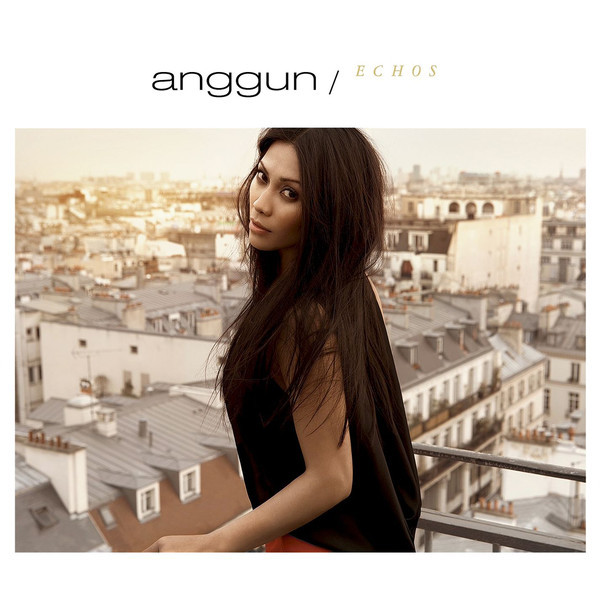
 View Artist