Song Meaning
Anggun's "Count on Me" isn't a straightforward love song; it's a philosophical exploration of freedom, perception, and the elusive nature of reality. The core refrain, "To be free / Or to feel free / The first one is a myth," immediately sets up a dichotomy, suggesting that objective freedom might be an illusion, while the subjective *feeling* of freedom holds more weight. This hints at an internal landscape, where liberation is less about external circumstances and more about a state of mind. The lyrics imply a journey of self-discovery, challenging the listener to question what they perceive as real and to find freedom within the confines of their own consciousness. Anggun seems to be suggesting that true freedom isn't a given; it's earned through introspection and a willingness to dismantle perceived limitations.
The verses introduce a complex interplay of desire and disillusionment. Lines like "You want more / You say you want me / He left us alone as day was dawning" evoke a sense of longing and abandonment, possibly within a relationship context. The subsequent lines, "You got more / Did you get me / Red sleeps after sunrise has fallen,” introduce a feeling of dissatisfaction despite obtaining what was desired, hinting at a deeper yearning that remains unfulfilled. The color red often symbolizes passion, anger, or pain, suggesting a cycle of intense emotions followed by a period of dormancy or exhaustion. The repeated questioning implies a struggle for understanding and connection within the relationship.
The latter part of the song shifts toward a more spiritual or transcendental theme. The lines "To come is so organic unbelievable / A solitary sign to open up your mind / A love that's so organic unbelievable / A solitary sign to open up your mind" suggest a transformative experience—perhaps a moment of profound insight or connection—that transcends the ordinary. The emphasis on opening the mind reinforces the idea that true freedom and understanding come from within, through a willingness to challenge pre-conceived notions and embrace new perspectives. "Count on Me," therefore, isn't just a song; it's an invitation to question, explore, and ultimately, to find liberation in the realm of subjective experience.
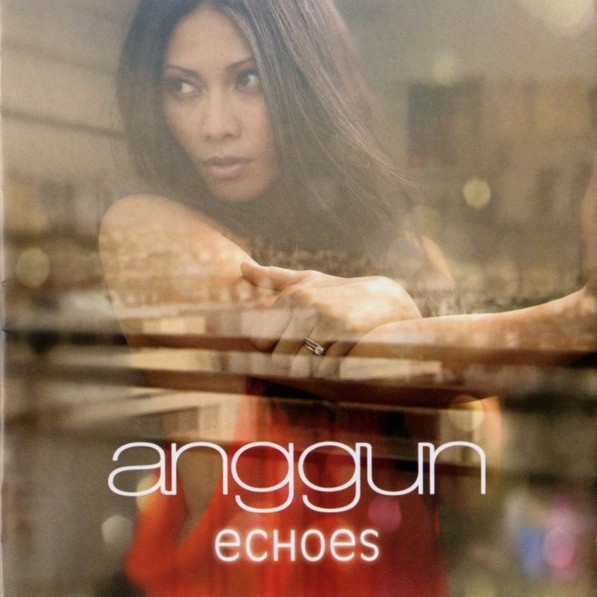
 View Artist