Song Meaning
The lyrics paint a stark portrait of a relationship fractured by addiction and self-destruction, framed by a past love and a present, desperate plea. The narrator recalls a time when love was mutual, but now sees a reflection of their own brokenness in the person they address as "baby blue." This "baby blue" is described as "suicide, messed up inside, nothing left to lose," suggesting a profound internal struggle and a state of despair.
The central tension lies in the narrator's attempt to reconnect with or understand this person who has become so damaged, perhaps seeing them as the "child that I never knew." There's a palpable sense of regret and confusion, asking "why did they hurt you?" while simultaneously acknowledging their own past foolishness. The repeated "Oh, my baby blue" underscores a deep, almost mournful affection, even as the situation deteriorates.
The most striking element is the stark contrast between the past "I knew I loved you" and the present "now you love me too," which feels less like reciprocation and more like a shared descent. The narrator's self-awareness of their own damaged state, "more like you," is a critical, painful realization. The phrase "What a waste a beautiful face could turn into" is a brutal, concise summation of the tragedy unfolding.
Ultimately, the lyrics' power comes from this raw, unflinching depiction of shared pain and loss. The narrator's declaration that "A song, that's the only place that I can talk to you" reveals the profound isolation and the desperate, artistic attempt to bridge the unbridgeable gap. The repeated "Goodbye, baby blue" isn't just an ending; it's a lament for what was lost and an acknowledgment of an inescapable reality.
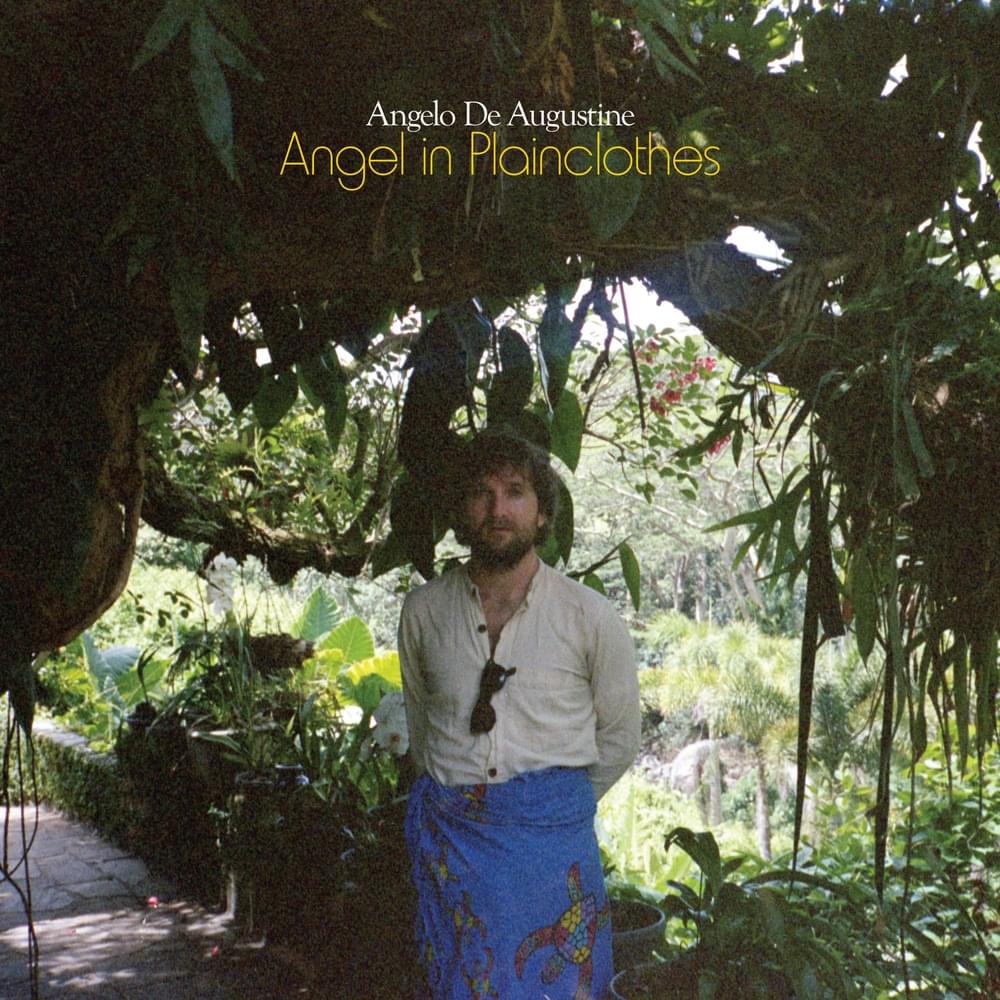
 View Artist