Song Meaning
Angélique Kidjo's "Oulala" is more than just a catchy vocal riff; it’s a layered exploration of female identity and societal expectations, refracted through a West African lens. The repeated "Oulala" acts as both a sonic hook and a grounding mantra, a cyclical return to the core of the song's emotional weight. While the surface may seem simple, the lyrics sung in Fon (a language of Benin) hint at deeper complexities. The name "Aminata," repeated throughout, likely represents a specific woman or a universal archetype of womanhood, burdened by communal pressures. The phrases surrounding her name suggest a struggle, perhaps against limitations imposed upon her.
The lyrics, though concise, evoke a sense of both celebration and constraint. Phrases like "Aminata we djayi le lo" juxtaposed with "Nonte bo fa komin lo" paint a picture of a woman navigating a complex social landscape. Is she being praised? Is she being warned? The ambiguity is the point. Kidjo's genius lies in her ability to embed profound commentary within seemingly simple structures. The "Aiya iya iya iye" sections serve as a kind of lament or outcry, a raw emotional release that transcends the specific narrative of Aminata and touches on broader themes of female resilience.
Ultimately, the song's meaning resides in its ability to resonate on multiple levels. It's a celebration of African musical traditions, a subtle critique of societal norms, and a poignant reflection on the experiences of women. "Oulala" becomes a sonic vessel for the unspoken, a powerful expression of identity and resistance that lingers long after the final note fades. Kidjo doesn't offer easy answers, but instead invites listeners to contemplate the multifaceted nature of female experience within a global context.
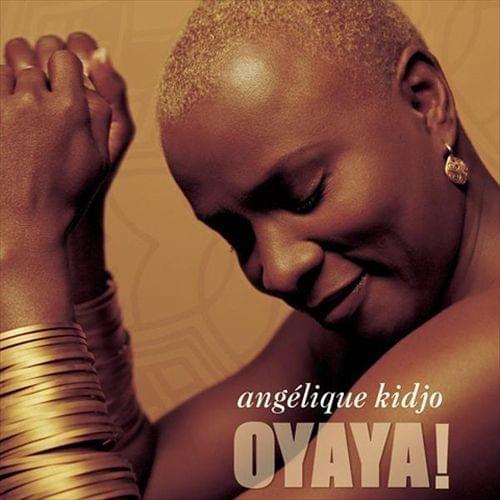
 View Artist