Song Meaning
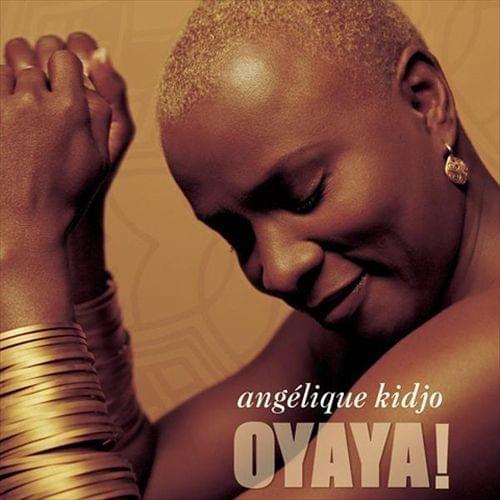
Angélique Kidjo's "Macumba" pulses with a primal energy, a sonic invocation that transcends simple translation. While the lyrics are primarily in Fon, a language spoken in Benin, the repetition of "Macumba" acts as a universal key, unlocking a deeper understanding of the song's core. The term itself, historically associated with Afro-Brazilian religious practices, carries a complex weight, often misunderstood and misrepresented. Kidjo reclaims it, stripping away the negative connotations and revealing its inherent power.
The cyclical structure, built around the chorus and verses, mimics the rhythmic nature of ritual. The call-and-response feel suggests a communal experience, an invitation to participate in something larger than oneself. Phrases like "Min bi wa, nou min nin djo kple le" (which roughly translates to "I'm coming, I'm joining the group") reinforce this sense of collective movement and shared intention. The song isn't just about 'Macumba'; it *is* Macumba – a vibrant, living force.
Kidjo masterfully uses sound to bypass linguistic barriers. The driving beat, combined with her passionate delivery, creates an atmosphere of both celebration and spiritual intensity. The bridge, with its yearning "Aooo gbe elo min yon lo" ("Aooo I understand the language"), hints at a deeper connection to ancestry and tradition. "Macumba" becomes a testament to the enduring strength of cultural identity, a defiant assertion of spiritual practice in a world that often seeks to marginalize it. It's a song that vibrates with the lifeblood of Africa, urging listeners to embrace their own power and find unity in shared rhythm.
 View Artist