Song Meaning
The narrator is grappling with distance and longing for someone who seems to be drifting away. Despite this growing separation, their affection intensifies, creating a poignant tension. The lyrics paint a picture of someone who gives freely without reciprocation, a vulnerability the narrator finds compelling. This person is described as a guiding light, a "pequeno talismã," transforming a once difficult routine into a source of joy found in morning devotion.
The core conflict lies in the narrator's desire for connection versus the perceived distance from the beloved. The phrase "Cada vez você mais longe" (Each time you are further away) establishes this spatial and emotional gap. Yet, this distance paradoxically fuels the narrator's affection: "Mais eu gosto de você" (The more I like you). This suggests a deep-seated need for this person, even as they remain elusive.
The lyrics powerfully employ the metaphor of the beloved as a "talismã" and a "divã." The talisman offers protection and good fortune, while the divan provides comfort and a space for confession. These images highlight the beloved's role as a source of solace and strength, particularly during difficult times. The narrator expresses a profound dependence, wishing for this person to "joga fora nossos medos" (throw away our fears).
The narrator's plea, channeled through "saudade" (longing/nostalgia), underscores the depth of their need. They implore saudade to find the beloved and exchange their loneliness for their presence, framing this reunion as essential "Pra valer o meu viver" (For my life to be worthwhile). This final sentiment encapsulates the overwhelming emotional weight the narrator places on this distant figure, making their absence a profound void.
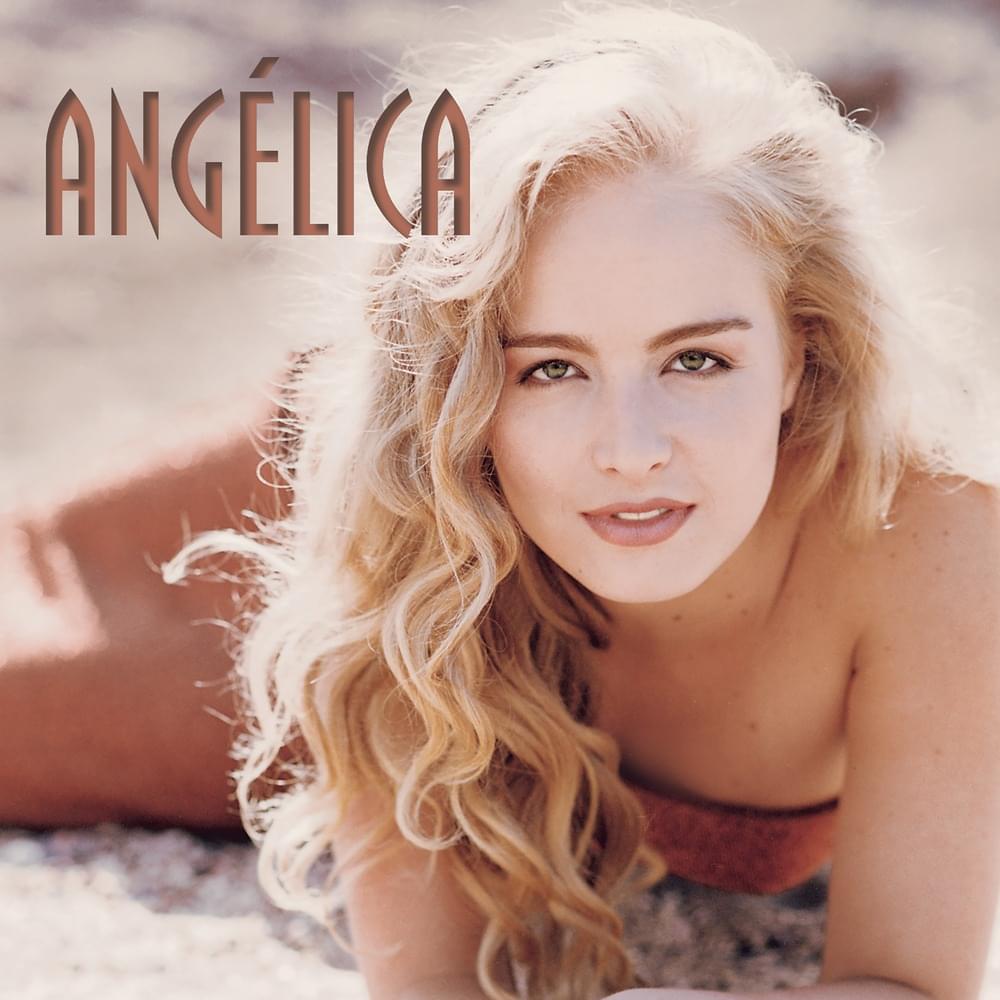
 View Artist