Song Meaning
These lyrics open with a stark, almost weary acknowledgment of shared human pain, suggesting that "谁没几道伤" (who doesn't have a few scars?). There's a sense of emotional disorientation where "爱恨直截了当" (love and hate are straightforward) yet getting lost feels "猝不及防" (caught off guard). The narrator accepts loneliness as habitual, but fiercely questions the necessity of forgiveness, setting a tone of raw honesty.
The central emotional tension here lies in the struggle against profound betrayal and disillusionment. The lyrics paint a vivid picture of deceit, describing "蒙骗的童话" (deceptive fairy tales) that are "假惺惺 还理直气壮" (hypocritical, yet self-righteous). The imagery of someone "咧著嘴 撒著谎 背后补一枪" (grinning, lying, stabbing in the back) conveys a visceral sense of malicious hurt, pushing the narrator to a desperate plea for emotional numbness: "要思念 都阵亡 才无恙" (all thoughts of longing must die to be safe).
The most striking craft element is the powerful, repeated motif of "还" (return). This isn't just about letting go; it's an active, defiant act of giving back. Phrases like "把眼泪都还给眼眶" (return all tears to the tear ducts) and "把虚伪的粉饰还给成长" (return false embellishments to growth) are not passive acts of resignation. Instead, they represent a deliberate reclaiming of emotional space and a rejection of past superficiality, asserting agency over one's own feelings and experiences.
This active "returning" culminates in a profound act of self-reclamation. The narrator seeks to "把最初的我 笑著还给自己 别遗忘" (return the original me to myself with a smile, don't forget), suggesting a journey from victimhood to empowered healing. It's a defiant statement that true peace comes not from simply forgetting, but from consciously shedding the emotional baggage and embracing one's authentic, unburdened self.
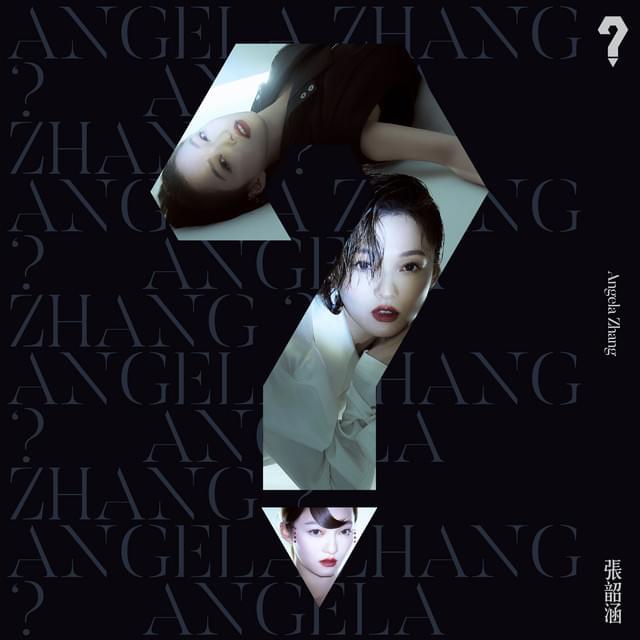
 View Artist