Song Meaning
The lyrics open with a stark, almost desperate refrain: "Eu não quero mais querer você" repeated four times. This immediate, insistent denial sets a tone of internal conflict, suggesting a powerful, unwanted attachment that the speaker is struggling to break free from. The repetition hammers home the intensity of this struggle, creating a sense of being trapped in a cycle of desire.
The core tension lies in the contrast between the speaker's stated desire to stop wanting someone and the overwhelming reality of their constant thoughts and physical longing. Phrases like "Papo de escoteiro, nó de marinheiro" and "Papo de maluco, qualquer coisa encuco" illustrate how this obsession permeates everyday thoughts, turning simple things into complex knots of fixation. The imagery of a sailor's knot and a madman's ramblings highlights the inescapable and irrational nature of this feeling, even as the speaker claims they don't want it.
The writing masterfully uses juxtaposition to convey the depth of this addiction. The mundane, almost domestic imagery of "Sonho no meu quarto, gozo no chuveiro" is placed alongside the grand claim of having "o mundo inteiro," only to immediately pivot back to the singular focus: "mas só quero você." This contrast underscores how the overwhelming desire for this one person eclipses all other potential joys or possessions, reducing the speaker's world to a single point of fixation.
This emotional grip is further amplified by the shift into English, where the phrases "I can't stand no longer loving you" and "I don't want to want you anymore" echo the Portuguese refrain with a slightly different, perhaps more weary, emphasis. The cumulative effect is a raw, unflinching portrait of being consumed by an unwanted love, a feeling so potent it feels like an addiction the speaker desperately wishes they could overcome but seems incapable of escaping.
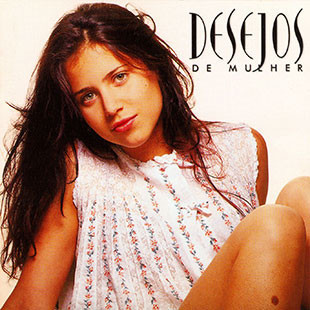
 View Artist