Song Meaning
The lyrics paint a picture of Laura Regina Hilária as someone constantly on the run, not just from men in general, but specifically from the narrator. This flight isn't just personal; the narrator suggests a wider conspiracy against her, mentioning "toda a máfia chinesa e ira irlandesa" wanting her end. It creates a sense of Laura being a target, yet the narrator frames her as an "otária" – a sucker or fool – for her choices and perceived naivety.
The central tension lies in the narrator's conflicting portrayal of Laura. While accusing her of being a fool who "sempre deu decisão" (always made decisions) and causes "confusão" (confusion), the narrator also acknowledges her ambition to enter the world of MPB, be on magazine covers, and judge TV shows. This ambition is framed as desperate, with Laura "correr atrás" (running after) success, believing in "padrinho" (godfathers) and "miche profissional" (professional hustlers), suggesting a path driven by opportunism rather than pure artistry.
The most striking element is the repeated label of "otária" applied to Laura, juxtaposed with her grand aspirations. The narrator insists she "não quer ver" (doesn't want to see) her own foolishness, especially when she's "sozinha na estrada" (alone on the road) without her "camarada" (comrades). This highlights a perceived disconnect between Laura's self-perception and the narrator's harsh judgment, emphasizing her perceived delusion about her own standing and the nature of her pursuit of fame.
Ultimately, the lyrics resonate through this sharp, almost contemptuous, observation of ambition gone awry. The narrator's critical gaze, focused on Laura's perceived gullibility and the questionable means she employs for success, creates a potent, albeit unflattering, character study. The effectiveness comes from the bluntness of the accusations and the specific, almost cynical, details of her pursuit of fame, making Laura's situation feel both specific and cautionary.
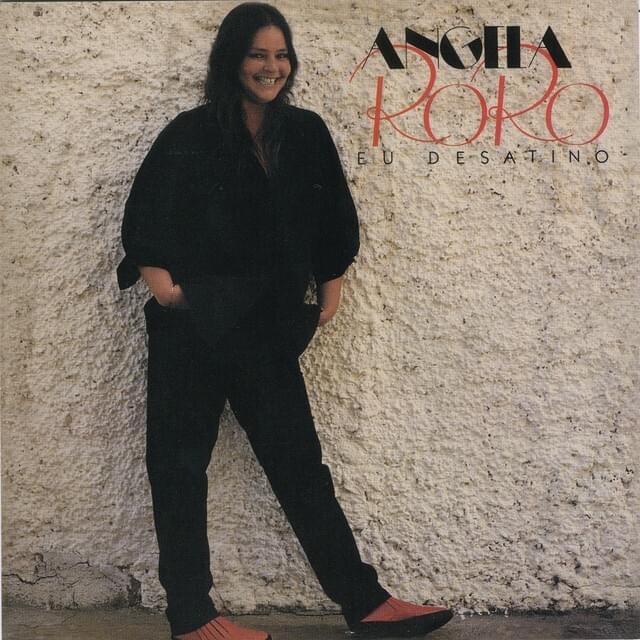
 View Artist