Song Meaning
The narrator recounts a past love affair with a sting of regret and a sharp dose of present clarity. The opening lines immediately establish a sense of hardship endured for the sake of love, with the phrase "o que eu segurei, pepino" hinting at significant difficulties. This initial pain is amplified by the realization of wasted time and the embarrassment of being taken advantage of, leading to a state of drunken confusion.
This confusion, however, has now cleared. The narrator is "de cara limpa" and "sóbria," offering a stark contrast to the past haze. This newfound sobriety allows for a brutally honest assessment of the former lover, whose "pinta" – their charm or appearance – is now "difícil de engolir." The love that once blinded the narrator now seems pathetic and unappealing.
The core of the song lies in the narrator's feeling of being swindled. They describe investing heavily in a "paixão insana," only to discover their partner was a "vigarista" – a con artist. The metaphor of paying "à vista" for something received "a prazo" powerfully illustrates the imbalance and deception in the relationship. The narrator feels they were promised something immediate and valuable, but only received a delayed, ultimately worthless, outcome.
Ultimately, the lyrics convey a sense of hard-won self-awareness. The narrator acknowledges the "golpe de artista" they fell for, comparing it to a bit player deceiving a director. The final lines reveal the true cost of the deception: the partner is left "sozinha," while the narrator, despite the pain, has found "meu amor" – a self-love or a new, genuine love that makes the past betrayal bearable, even if the memory still causes them to "desatino."
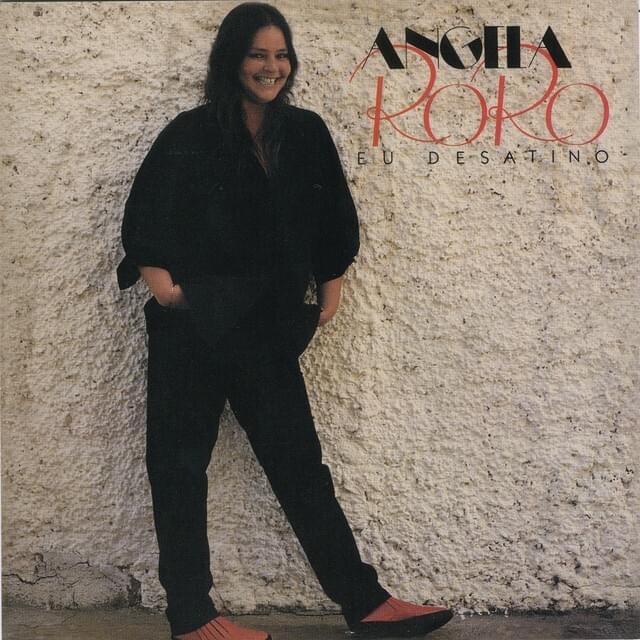
 View Artist