Song Meaning
The lyrics paint a picture of individuals forced into demeaning, costumed roles, lamenting their loss of dignity. The repeated phrase "Adiós, reputación" (Goodbye, reputation) immediately sets a tone of shame and resignation, as they question the humiliation of their situation. The imagery of being "disfrazar" (disguised) and dressed as animals like a lion or duck highlights a loss of identity and agency, reduced to mere spectacles.
The central tension arises from the oppressive gaze of an unseen figure, referred to as "él" (he), who seems to derive satisfaction from their suffering. The "cortesanos" (courtiers) observe that this figure "no ve nada más / Solo el tiro al blanco" (sees nothing else / Only the target). This suggests an obsessive focus on them as objects to be aimed at, a dehumanizing perspective that reduces them to mere targets. The phrase "pobre blanco, blanco, blanco" (poor target, target, target) emphasizes this reduction, stripping them of individuality.
The most striking aspect of the craft is the stark contrast between the characters' internal suffering and the external performance they are forced to enact. The "hombres disfrazados" (disguised men) are aware of their humiliation, yet the "cortesanos" reveal the observer's singular, unfeeling focus. The mention of "Odette" by "Reina Uberta" (Queen Uberta) introduces a personal element for the observer, suggesting a fixation that fuels his cruel amusement at their expense, a detail that makes the observer's actions feel less arbitrary and more rooted in a specific, albeit unrevealed, personal narrative.
These lyrics resonate because they capture the feeling of being objectified and controlled by an external force, where one's identity is secondary to another's amusement or obsession. The cyclical repetition of "tiro al blanco" and the resigned tone of the disguised men create a suffocating atmosphere, effectively conveying the psychological toll of constant scrutiny and dehumanization. The final lines, "Aún será peor si nos quejamos / Para él no somos más que un pobre blanco," underscore the powerlessness and the fear of further retribution, making the emotional impact palpable.
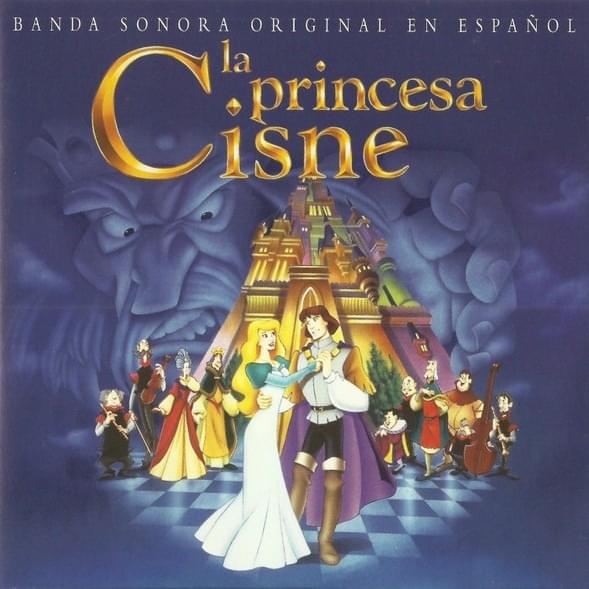
 View Artist