Song Meaning
The narrator grapples with the aftermath of a relationship's end, a profound sense of loss coloring their present. The opening lines immediately establish a failed attempt to maintain distance, a direct consequence of the other person discarding their life. This rejection shattered the narrator's courage, rendering them powerless to prevent the departure. The immediate juxtaposition of "hate, pain and tears" with "life can be a tragedy" sets a bleak emotional stage, suggesting a life now defined by suffering.
The core tension lies in the stark contrast between what was and what is, a painful reflection on lost potential. "Dreams becoming nightmares" and "what could have been" highlight the chasm between past hopes and current despair. This is amplified by the recurring refrain, "You're always on my mind," underscoring the persistent, inescapable nature of this loss. The lyrics then pivot to a more hopeful, albeit fleeting, vision of "love, joy and laughter" and "life can be a miracle," only to immediately undercut it with the crushing reality of their current state.
The most striking craft element is the powerful metaphor of the "heart made of steel" that nonetheless leads to a "soul turns to stone." This paradox suggests a hardening of emotions as a defense mechanism, yet it results in a petrified, unfeeling state rather than true strength. The image of carrying a "load" and walking "alone" to "where no one goes" powerfully conveys isolation and an arduous, solitary path forward. The final destination, "where the wind blows," implies a directionless existence, adrift and subject to external forces.
This writing resonates because it captures the raw, disorienting feeling of being utterly alone after a devastating breakup. The lyrics don't shy away from the pain, instead presenting it through vivid, almost elemental imagery. The contrast between the potential for joy and the current reality of a "deadly maze" makes the narrator's plight feel intensely personal and deeply felt, even as they move forward "walking alone."
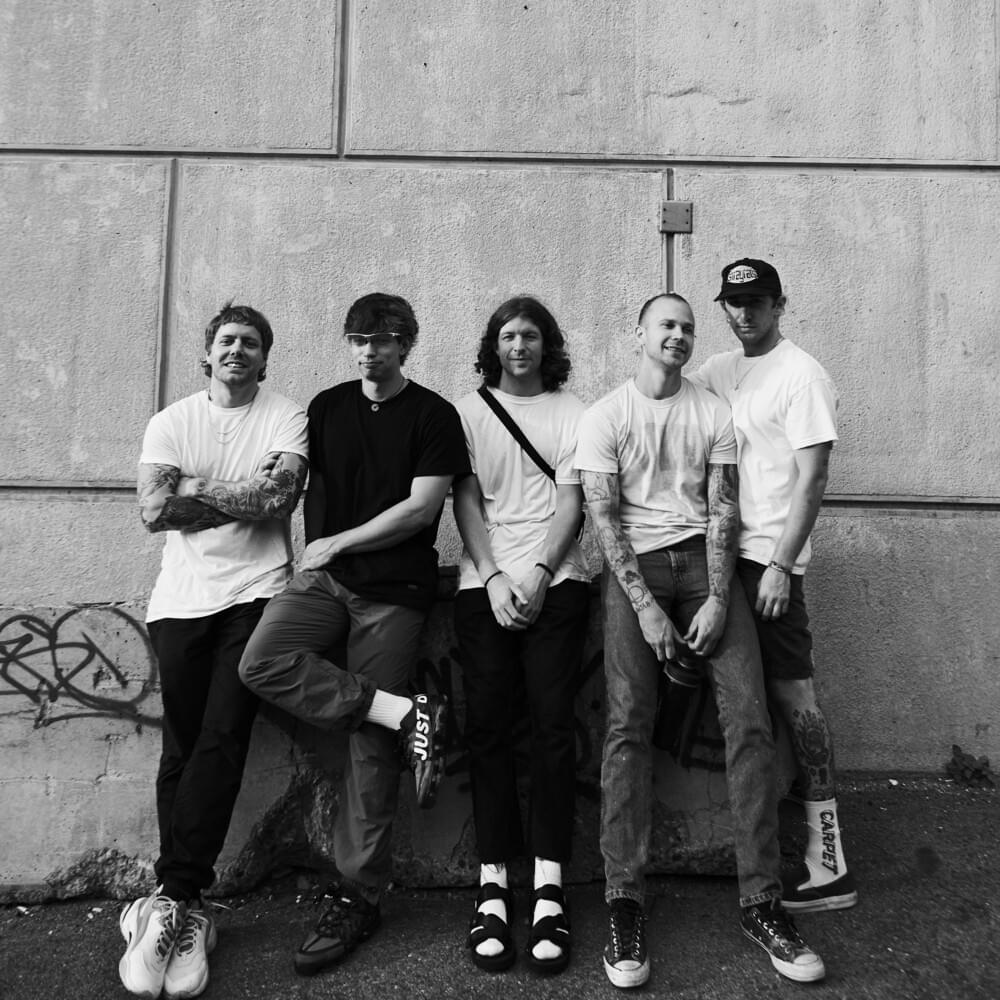
 View Artist