Song Meaning
The lyrics paint a stark portrait of a figure haunted by a dark, inherited past, contrasting it with a dawning realization about true value. The opening lines immediately establish a sense of dread and lineage, with eyes "black as shadow" that follow the narrator in dreams, mirroring a father's "dark as sin" desires. This inherited darkness seems to push the figure toward a life of turmoil, crossing a "river of hungry fish," rejecting peace for something more turbulent. The repetition of "white, white day" acts as a stark, almost jarring, counterpoint to this internal darkness.
The central tension arises from the figure's internal struggle and a growing awareness that superficial wealth cannot redeem or fix this inherited darkness. The body is "cold as snow," and thoughts are "sharp as an arrow," suggesting a detached, perhaps dangerous, state of being. Yet, this coldness and sharpness coexist with a profound understanding: "simple things are more" and "love you cannot pay for." This suggests a turning point, a recognition that the "gold" of material wealth is insufficient to mend the soul or buy genuine connection.
The most striking craft element is the juxtaposition of the oppressive, dreamlike darkness with the recurring image of the "white, white day" returning over a "snowy plain." This bright, pure imagery, repeated insistently, doesn't necessarily signify hope but rather a stark, undeniable reality breaking through the internal gloom. The phrase "already knows that gold will not save the world" is a powerful, almost fatalistic, pronouncement that cuts through any potential for easy resolution. The lyrics suggest this figure is trapped by their past, yet simultaneously possesses a clear-eyed, albeit cold, understanding of what truly matters.
This lyrical construction is effective because it creates a palpable sense of internal conflict and a bleak, yet honest, assessment of life's priorities. The stark contrast between the inherited shadow and the clear, cold light of day, coupled with the blunt assertion about gold's futility, leaves the listener with a lingering feeling of profound, unshakeable truth. The writing doesn't offer comfort, but rather a sharp, unvarnished insight into a soul grappling with its own nature and the illusory nature of worldly gain.
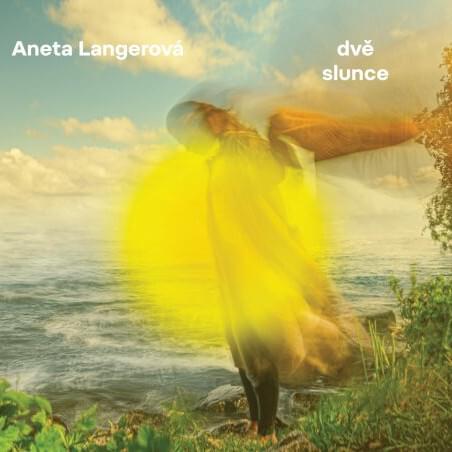
 View Artist