Song Meaning
The lyrics paint a vivid picture of a lost golden age, specifically a "tender and callow" September. The narrator urges the listener to recall a time when life felt "slow and oh, so mellow," a stark contrast to the present. This idealized past is characterized by simple, natural imagery: green grass, yellow grain, and dreams tucked away like treasures. It’s a nostalgic yearning for a simpler existence, a moment before complexity and sorrow entered the scene.
The central tension lies in the act of remembering itself as a path forward. The repeated command to "Try to remember" isn't just about passive recollection; it's an active instruction. The lyrics suggest that accessing this memory of a gentler time, a "fire of September," is crucial, especially when facing the harshness of "Deep in December." This act of remembering is presented as a way to regain a lost feeling of warmth and peace.
The most striking craft element is the insistent repetition of "Try to remember" and the subsequent "Follow." This creates a hypnotic, almost ritualistic quality, emphasizing the importance of the memory. The contrast between the "tender" past and the implied hardship of the present (suggested by the need to remember in "December" and the idea that "no one wept except the willow") highlights what has been lost. The lyrics suggest that this memory isn't just a comfort but a directive, a guide back to a more peaceful state.
Ultimately, these lyrics resonate because they tap into a universal human desire for simpler times and the comfort found in cherished memories. The gentle, almost melancholic tone, combined with the direct, imperative calls to remember, creates a powerful emotional pull. It’s a reminder that even in difficult times, the warmth of the past can offer a path toward present solace and future direction.
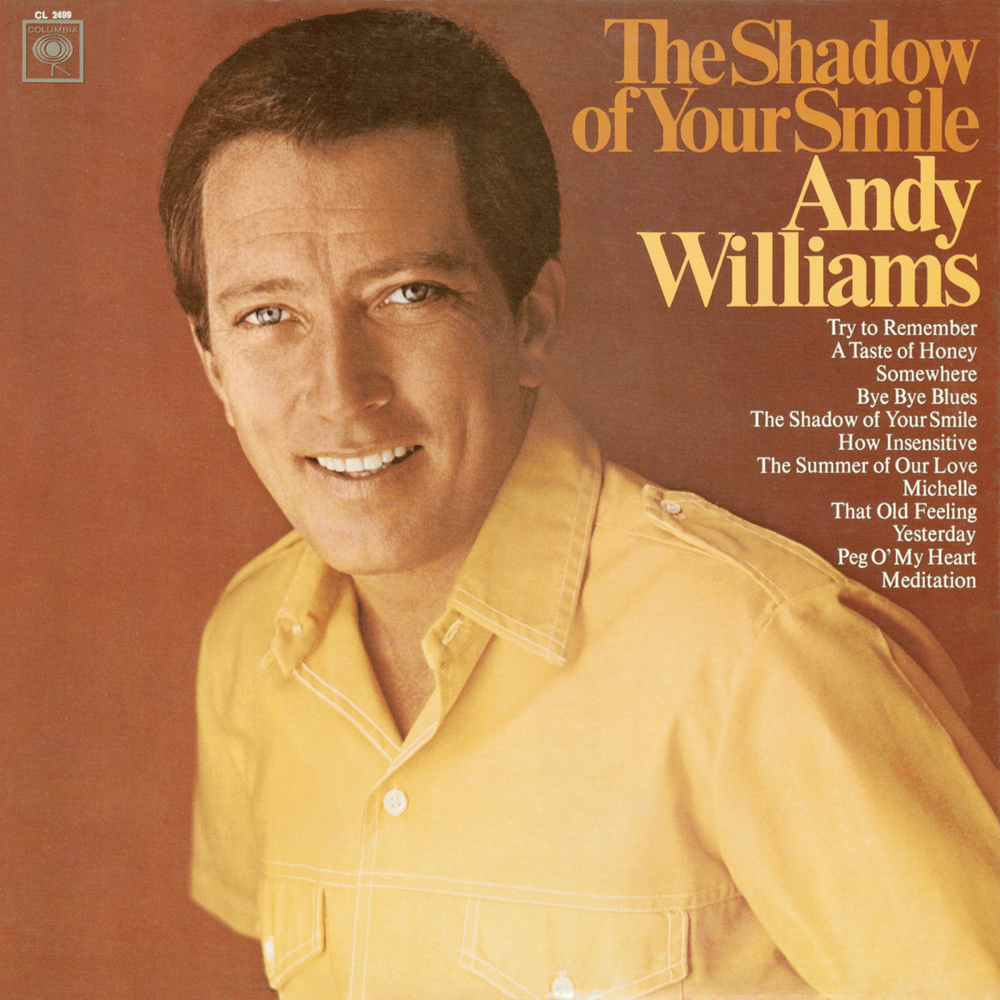
 View Artist