Song Meaning
The lyrics paint a picture of a bittersweet farewell, acknowledging the inevitability of future experiences while fixating on the irreplaceable nature of a past love. The narrator anticipates future nights, new partners, and the passage of seasons, all presented as mundane continuations of life. This mundane outlook sharply contrasts with the profound and singular impact of the person being addressed, setting up the central emotional tension.
The core conflict lies in the narrator's struggle to reconcile the ongoing flow of life with the unique void left by this specific individual. While acknowledging that other romantic encounters and life stages will occur, the lyrics emphasize that these future events will lack the specific magic or thrill of the past. The repeated phrase, "they won't thrill me like yours used to do," underscores this persistent emotional deficit, suggesting a permanent alteration in the narrator's capacity for romantic fulfillment.
The most striking craft element is the stark, almost stark contrast between the predictable future and the singular past. Phrases like "other nights like this" and "another fall, another spring" establish a rhythm of repetition and continuity, highlighting the ordinary. This ordinary future is then immediately juxtaposed with the extraordinary claim: "But there will never be another you." This direct, unqualified statement elevates the lost relationship beyond the realm of typical romantic memory, making it a definitive, unrepeatable event.
This lyrical construction is effective because it grounds a grand emotional statement in concrete, relatable experiences of moving on and the passage of time. By listing the ordinary things that *will* happen, the lyrics make the assertion that this *one* person will never be replicated all the more potent. It’s not just that the narrator *feels* this way; the lyrics suggest that the very fabric of future experience is fundamentally altered, making the absence a tangible, enduring reality.
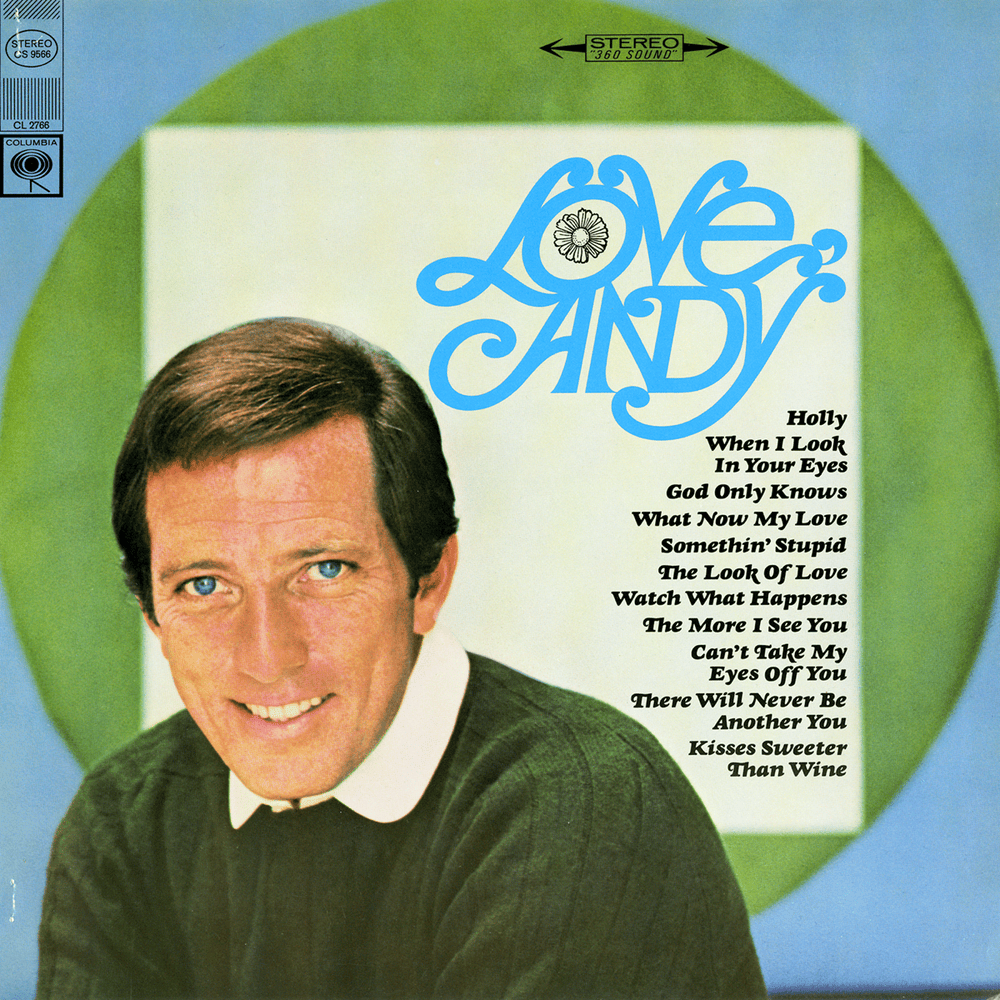
 View Artist