Song Meaning
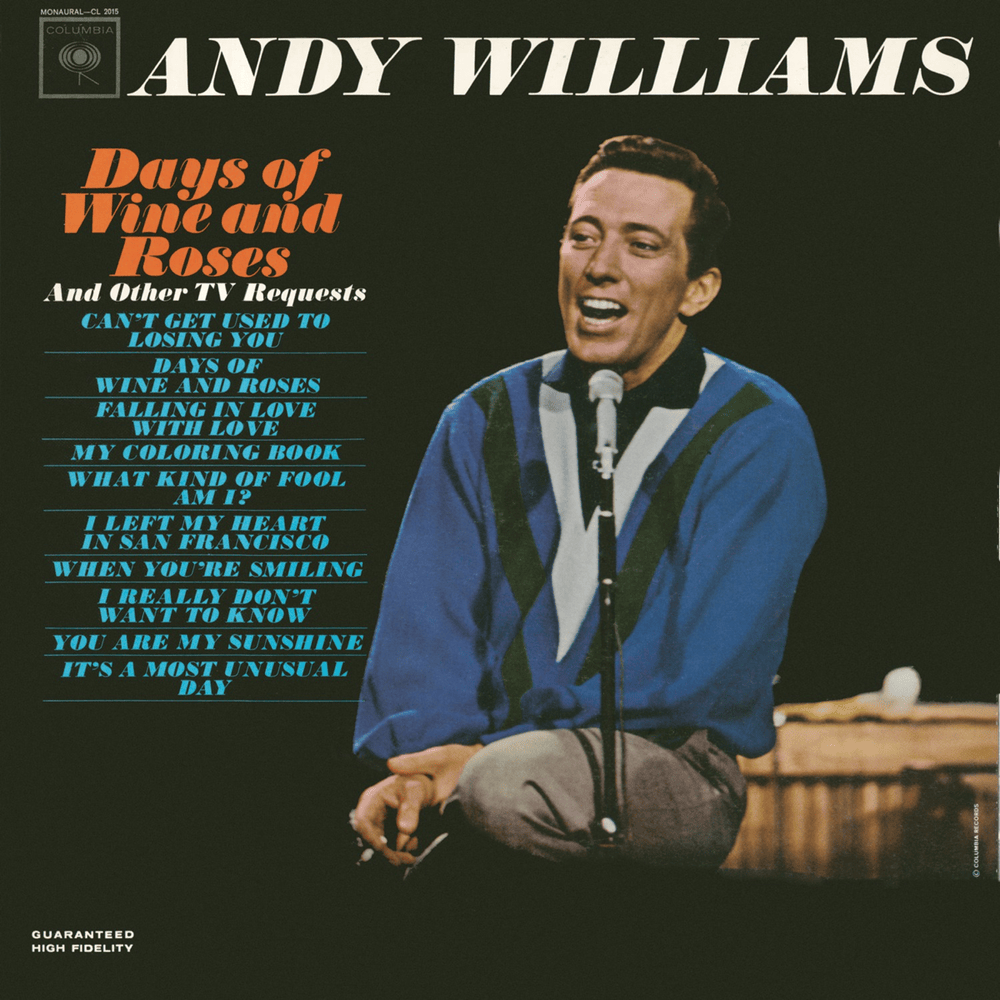
The narrator is caught in a painful paradox, desperately wanting reassurance while simultaneously dreading the truth about a lover's past. The opening lines immediately establish a scene of intimate questioning, focusing on the physical and emotional connections the lover has shared with others. The repeated phrase, "how many," underscores a gnawing insecurity, a need to quantify past affections. Yet, this inquiry is immediately shut down by the insistent refrain, "But I really don't want to know."
The central tension lies in this self-imposed ignorance. The narrator claims to love their partner "so," yet this love is apparently contingent on maintaining a fantasy, a carefully constructed present untainted by the specifics of the past. The lyrics suggest a deep-seated fear that knowing the full extent of previous relationships would shatter the current bond, making the uncertainty a necessary, albeit agonizing, condition for the relationship's survival. It’s a plea for blissful ignorance, a desire to keep the past a "secret."
The craft here hinges on the stark contrast between the probing questions and the immediate refusal to hear the answers. The repetition of "make me wonder" and "make me guess" highlights the active role the narrator wants their lover to play in maintaining this illusion. The plea "don't confess" is a direct command, emphasizing the narrator's agency in choosing not to know, even if it means living with constant, self-inflicted doubt. This isn't passive suffering; it's an active, albeit masochistic, preservation of the relationship.
Ultimately, the lyrics resonate because they tap into a universal fear of inadequacy and the potential for past experiences to undermine present happiness. The narrator’s insistence on not knowing, despite the obvious pain it causes, reveals a profound vulnerability. It’s the agonizing realization that sometimes, the truth is too devastating to bear, and the illusion of love is preferable to the harsh reality of its potential alternatives.
 View Artist