Song Meaning
This track paints a picture of profound personal liberation and unwavering devotion. The opening lines establish a powerful image of taking flight, a metaphor for embracing freedom and pursuing aspirations. The repeated phrase "You open up your wings to fly" acts as a mantra, urging the listener to shed limitations and embrace their potential. It’s a call to action, suggesting that the power to soar is already within. The lyrics emphasize a forward-looking perspective, turning "to face the sky far away" and never looking back with a "goodbye."
The core tension arises from the duality of personal freedom and deep connection. While the narrator encourages the subject to "live your life baby" and "search for your soul day by day," there's a profound undercurrent of dependence. The narrator confesses, "The only sky that my life sees is you," revealing that their own horizon is defined by this other person. This creates a fascinating dynamic: the encouragement for the other to fly is juxtaposed with the narrator's own world being centered on them.
The most striking craft element is the persistent repetition of "Wings to fly." This isn't just a hook; it’s the central thesis, hammered home with each iteration. The phrase acts as both an external encouragement and an internal realization. The lyrics also employ a subtle shift in perspective towards the end, moving from direct address ("You open up your wings") to a more personal confession of dependence ("The only sky that my life sees is you"). This transition highlights the complex emotional landscape, where empowering another can also reveal one's own vulnerabilities.
Ultimately, the effectiveness of these lyrics lies in their blend of aspirational language and raw emotional honesty. The imagery of flight and sky is universally understood as a symbol of freedom and possibility. However, the narrator grounds this grand theme in a deeply personal confession, making the act of letting go both exhilarating and poignant. The repeated affirmation of "Wings to fly" becomes a powerful, almost desperate, plea for the subject's ascent, even as it underscores the narrator's own grounded reality.
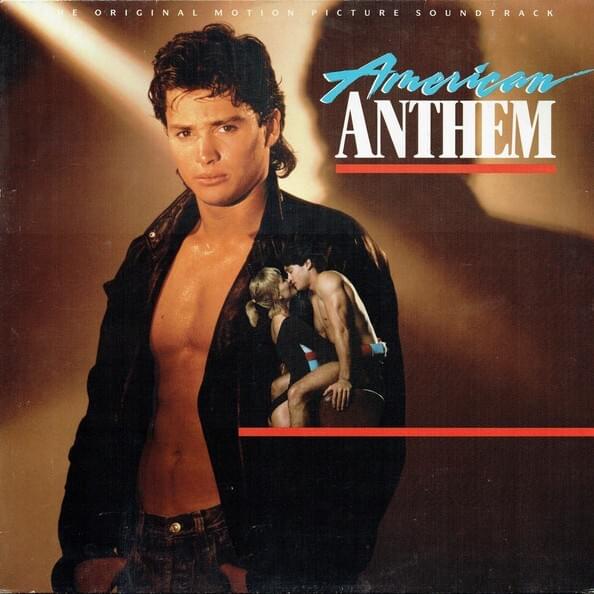
 View Artist