Song Meaning
The lyrics paint a stark picture of a profound shift in the narrator's life. Initially, the narrator is adrift, finding themselves in a desolate place, a graveyard, with a sense of worthlessness. This feeling is contrasted sharply with the arrival of someone who sees their true value. The scene shifts dramatically to a past where the narrator held immense power and adoration, a stark contrast to their current state of being 'lost'.
The core tension lies in the juxtaposition of past glory and present desolation. The narrator recalls a time of absolute authority, where a 'nation jumped at my command' and 'the city bowed for me.' This echoes a former identity as a 'king,' surrounded by subservient people and showered with gifts. The current state, however, is one of being 'lost' and unrecognized, save for the one person who understands them.
The most striking craft element is the deliberate ambiguity of the 'king' persona. The lyrics suggest this was a period of immense external validation, but the chorus hints at a hollow victory: 'My land was at rest / There were no wars to be won.' This implies a lack of challenge or genuine struggle, perhaps indicating the superficiality of that past reign. The 'wise man chant their ways' also suggests a reliance on external pronouncements rather than internal conviction.
This lyrical construction is effective because it taps into a universal yearning for recognition and belonging, while simultaneously questioning the nature of power and validation. The shift from a literal graveyard to a metaphorical kingdom, and back to a state of being 'lost' but 'found' by one person, creates a powerful emotional arc. It suggests that true value isn't found in external dominion but in genuine connection and self-understanding.
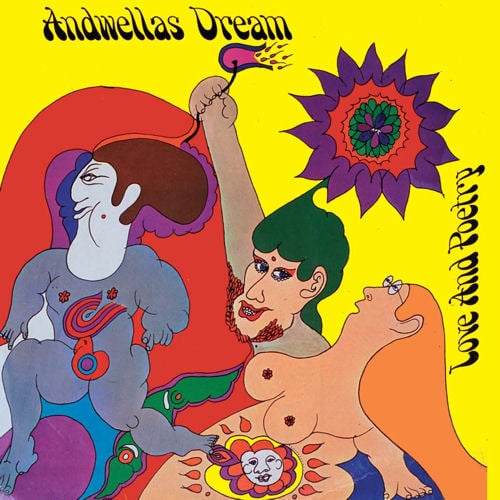
 View Artist