Song Meaning
Andrew W.K.'s "Into the Clear" isn't just party-rock escapism; it's a surprisingly raw confrontation with existential fatigue. The track opens with a defiant stance against hardship, a declaration that life's purported ease is a myth for those who haven't faced real struggle. This sets the stage for a deeply personal battle, not against external forces, but against a "deadly soul" residing within. It's a compelling image of inner turmoil, suggesting self-doubt or destructive tendencies as the primary obstacle. The repeated vows of resilience, "I won't give up, I won't give in," become a mantra against this internal saboteur. The titular phrase, "Into the Clear," then, is not just a physical relocation but a psychological breakthrough, a moment of clarity achieved after scaling a personal mountain.
But the lyrics quickly complicate this triumphant narrative. The second verse introduces a sense of disorientation and temporal ambiguity. The "weight of the light" and the difficulty in discerning the passage of time hint at a disorienting state of being, perhaps a consequence of prolonged struggle. This ambiguity bleeds into the subsequent lines, where the speaker expresses a profound disillusionment. The repeated denial – "I don't want to believe anymore" – suggests a rejection of past ideals or beliefs that once sustained them. It’s a painful admission of lost faith, a recognition that the very things that once offered solace now feel burdensome or false.
The core of the song meaning lies in this tension between resilience and disillusionment. The speaker desires to shed their former self, to escape the confines of past experiences and emotions. This isn't just a desire for change, but a yearning for complete transformation, a rejection of the identity forged in the crucible of past struggles. The final verse offers a glimmer of hope, suggesting that by holding back the "light" (perhaps confronting difficult truths or emotions), openings appear, leading to the promised "clear." However, even this resolution is tinged with ambiguity. What exactly is the "clear"? Is it genuine liberation, or simply a different kind of illusion? "Into the Clear" ultimately resonates because it doesn't offer easy answers, instead embracing the complexities and contradictions inherent in the human experience.
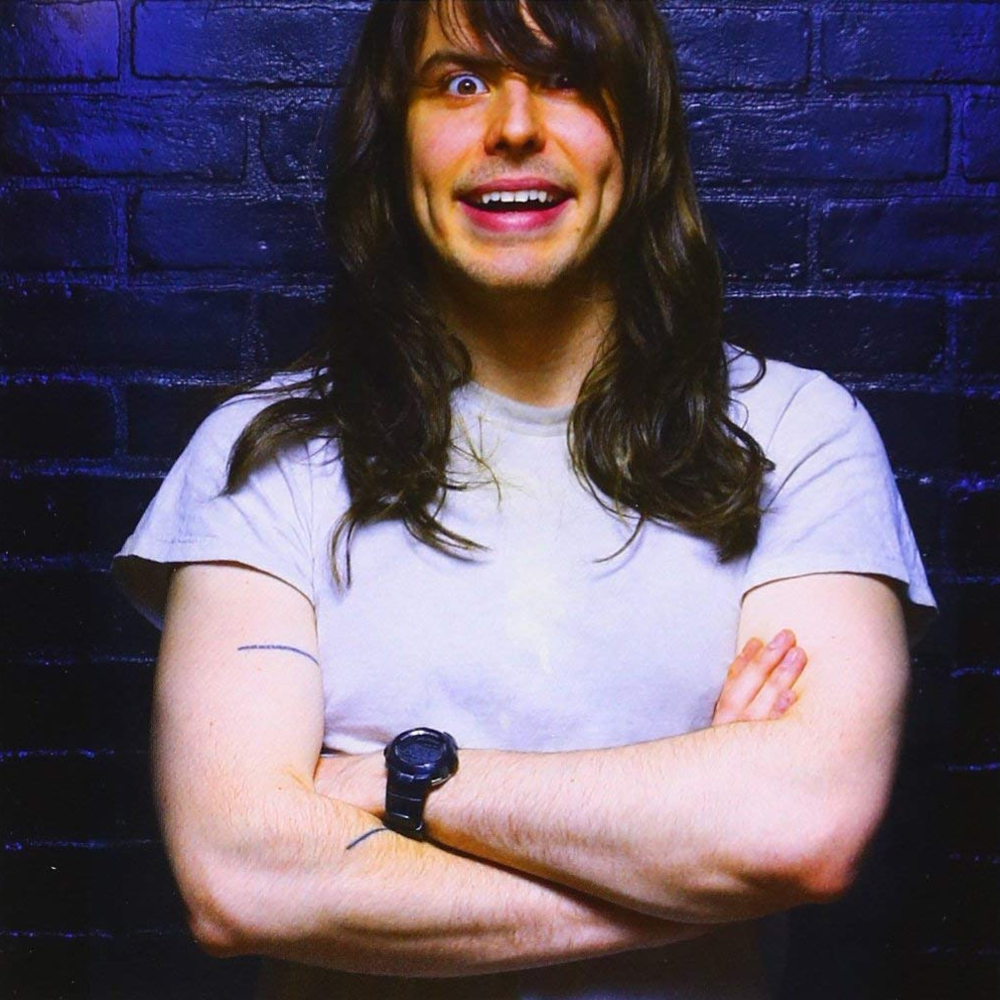
 View Artist