Song Meaning
The narrator grapples with the disillusionment of aging and lost youthful idealism. The opening lines establish a sense of passive transition, "I guess I'm getting older / Just like everybody else," immediately followed by a profound sense of disorientation: "Well it seems I closed my eyes / And awoke in another life." This suggests a life lived without conscious direction, leading to a feeling of being disconnected from their past self and friends, though they acknowledge the present isn't entirely negative.
The core tension lies in the stark contrast between past ambition and present reality. The repeated, almost mournful refrain, "We were so sure / We would change the world…," underscores a profound sense of unfulfilled potential. This grand youthful aspiration is juxtaposed with a more mundane, yet deeply personal, ending: "Not of bullets but of black and red / And of little silver rings and a sacred aisle." This implies a life that concluded not with a bang, but with the quiet, perhaps conventional, milestones of marriage and domesticity, a far cry from world-altering endeavors.
The lyrics employ a powerful, understated metaphor for this shift. The "black and red" and "little silver rings and a sacred aisle" aren't violent or dramatic events, but rather the markers of a conventional life path – perhaps a wedding, symbolizing commitment and a settled future. This domestic imagery, when placed against the backdrop of wanting to "change the world," highlights the subtle ways idealism can be subsumed by personal life. The narrator's current struggle, "I need my Jesus now / But I've been angry for the longest time / And I just don't now how to let it go," reveals the lingering resentment and difficulty in accepting this divergence from their youthful dreams.
This song resonates because it captures the quiet ache of realizing that life didn't unfold as grandly as once imagined. The effectiveness comes from the specific, almost mundane details that signify the end of an era – the "silver rings" and "sacred aisle" are far more poignant than any dramatic downfall. It speaks to the universal experience of looking back and questioning the choices, or lack thereof, that led from a place of boundless certainty to one of quiet regret and unresolved anger.
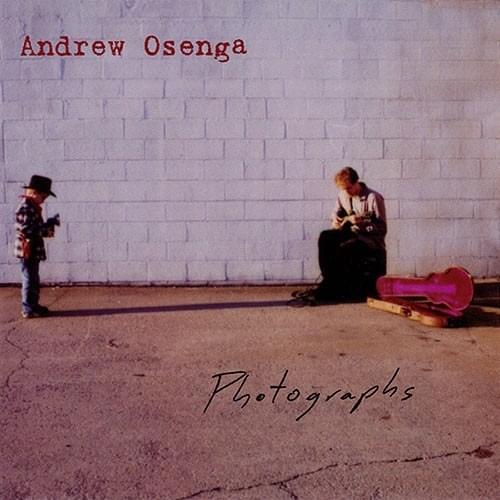
 View Artist