Song Meaning
This plea opens with a stark confession of guilt, "Ingemisco tamquam reus" – I groan as a guilty one. The narrator’s face "Culpa rubet vultus meus" – burns with shame, immediately establishing a tone of deep remorse and vulnerability. The core of this section is a desperate appeal for divine mercy, "Supplicanti parce, Deus" – Spare me, God, who supplicates. It’s a raw, unvarnished admission of wrongdoing, seeking solace from an overwhelming sense of personal failing.
The narrator then bolsters this plea by referencing biblical examples of divine forgiveness, specifically mentioning "Qui Mariam absolvisti" – You who absolved Mary, and "Et latronem exaudisti" – and heard the thief. These powerful examples serve to underscore the narrator’s hope, "Mihi quoque spem dedisti" – You have given hope to me too. This juxtaposition highlights a profound belief in the possibility of redemption, even for the most sinful, drawing strength from past acts of grace.
The lyrics pivot to acknowledge the unworthiness of the prayers offered, "Preces meae non sunt dignae" – my prayers are not worthy. Yet, this self-deprecation is immediately countered by an appeal to God’s inherent goodness, "Sed tu bonus fac benigne" – but you, good one, do so kindly. The ultimate fear is eternal damnation, "Ne perenni cremer igne" – lest I be burned by eternal fire, driving the urgency of the request for salvation.
The final verses paint a vivid picture of the "Lacrymosa dies illa" – tearful day, when all will rise from the ashes to be judged. The narrator seeks a place "Inter oves locum praesta" – among the sheep, distinct from the goats. This powerful imagery of separation, "Et ab haedis me sequestra" – and separate me from the goats, "Statuens in parte dextra" – placing me on the right side, encapsulates the profound desire for divine favor and eternal peace amidst the terrifying prospect of judgment.
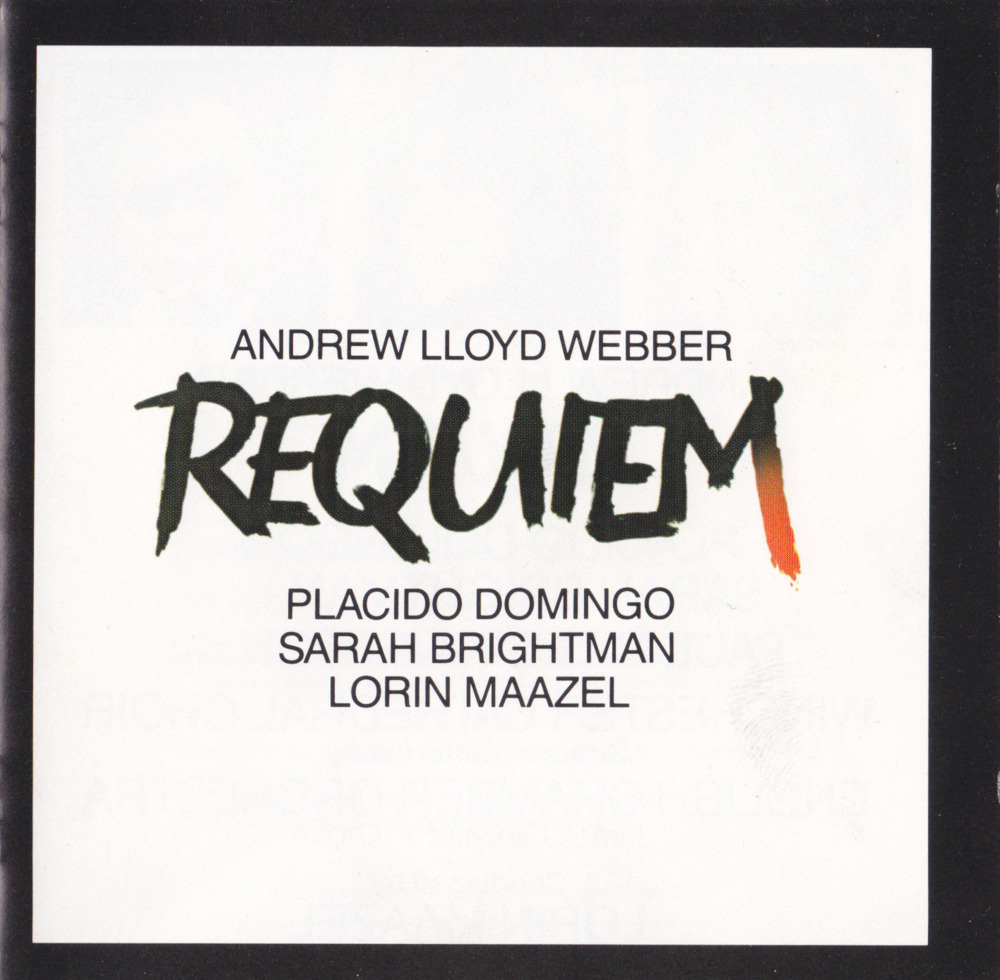
 View Artist