Song Meaning
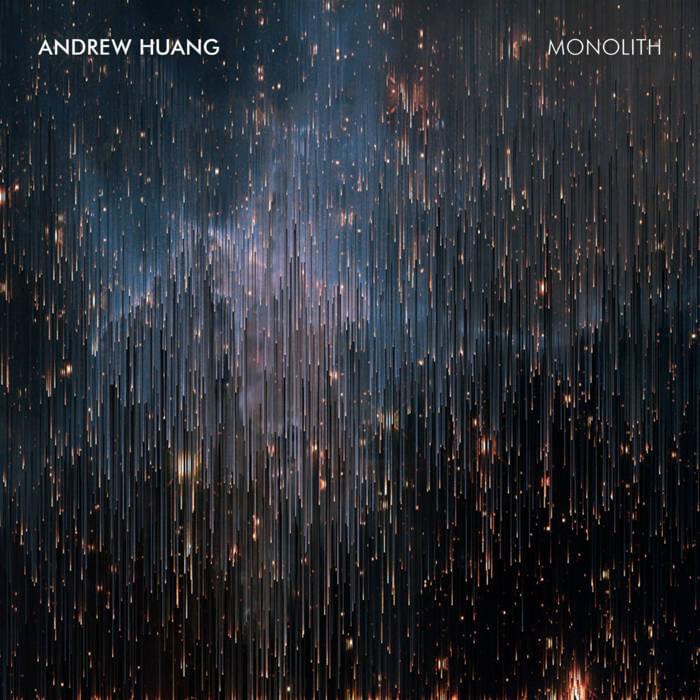
Andrew Huang's "Monolith" isn't a song so much as a compressed data stream of anxiety. The lyrics, stark and fragmented, conjure a world defined by technological overreach and subsequent decay. There's a sense of something grand and imposing ("Chiseled columns"), now ruined and fragmented ("Collapsed and fallen"). The "monolith" itself becomes a symbol of obsolete power, a future-fictive construct that couldn't sustain itself. Huang paints a bleak picture, less of outright destruction and more of systemic failure. The "mechanistic crucifixion" line is particularly potent, suggesting a world where even the most advanced systems are ultimately sacrificial, offered up on the altar of progress.
Psychologically, the song taps into our deepest fears about the future. The "rich invective, all defective, apoplectic" sequence speaks to a profound disillusionment with the promises of technology. It's not just that things break, but that they break spectacularly, leaving behind a residue of anger and resentment. The phrase "a microcosm" suggests that this decay isn't isolated but reflects a larger, systemic problem. Huang forces us to confront the possibility that our creations, intended to elevate us, may instead lead to our downfall.
Ultimately, "Monolith" offers a glimmer of hope amidst the ruin. The closing lines, "Desecration, and contagion, emancipation," hint at the possibility of liberation through the breakdown of old structures. It suggests that only by dismantling the false idols of technological progress can we truly be free. This lyrical analysis reveals a complex narrative about the cyclical nature of creation and destruction, and the potential for renewal in the face of collapse. The song's meaning lies in its stark portrayal of a world teetering on the edge, and the unsettling possibility that we are already living in it.
 View Artist