Song Meaning
The lyrics paint a stark picture of a difficult journey, a quest to retrieve something lost or corrupted. The narrator speaks of needing to venture to specific, unnamed "places" to retrieve "hollow words," suggesting a mission to reclaim meaning or truth. This undertaking is immediately framed by a perilous crossing: a "muddy river" where the very essence of "love turns to love turns to fear." This transformation highlights the psychological toll of the journey, where positive emotions curdle into dread.
This descent into fear is amplified by a repeated, ominous warning: "They say you don't look." This refrain suggests a forbidden knowledge or a sight so terrible it must be avoided. The reason given is that looking might make the object of the gaze "disappear" or, more chillingly, "drive you mad." The narrator's own "eyes they keep on strainin'," however, revealing an irresistible, almost desperate urge to confront whatever is being hidden, even at the risk of sanity.
The imagery of "shells of empty buildings and great columns of glass" evokes a landscape of decay and fragile, perhaps deceptive, structures. These are not solid foundations but remnants, reflecting a world that has lost its substance. The contrast between the desire to see and the command not to look creates a central tension, a push-and-pull between confronting difficult truths and succumbing to their potentially destructive power. The final lines, "If it drives you mad / It'll prob'ly pass," offer a sliver of bleak hope, suggesting that even madness might be temporary, a consequence that can be endured.
The effectiveness of these lyrics lies in their potent, almost mythic, atmosphere. The repeated warnings and the narrator's struggle to heed them build a palpable sense of suspense and psychological dread. The ambiguity of what must be retrieved and why it's dangerous leaves the listener to grapple with the universal human experience of confronting painful realities, making the abstract journey feel intensely personal.
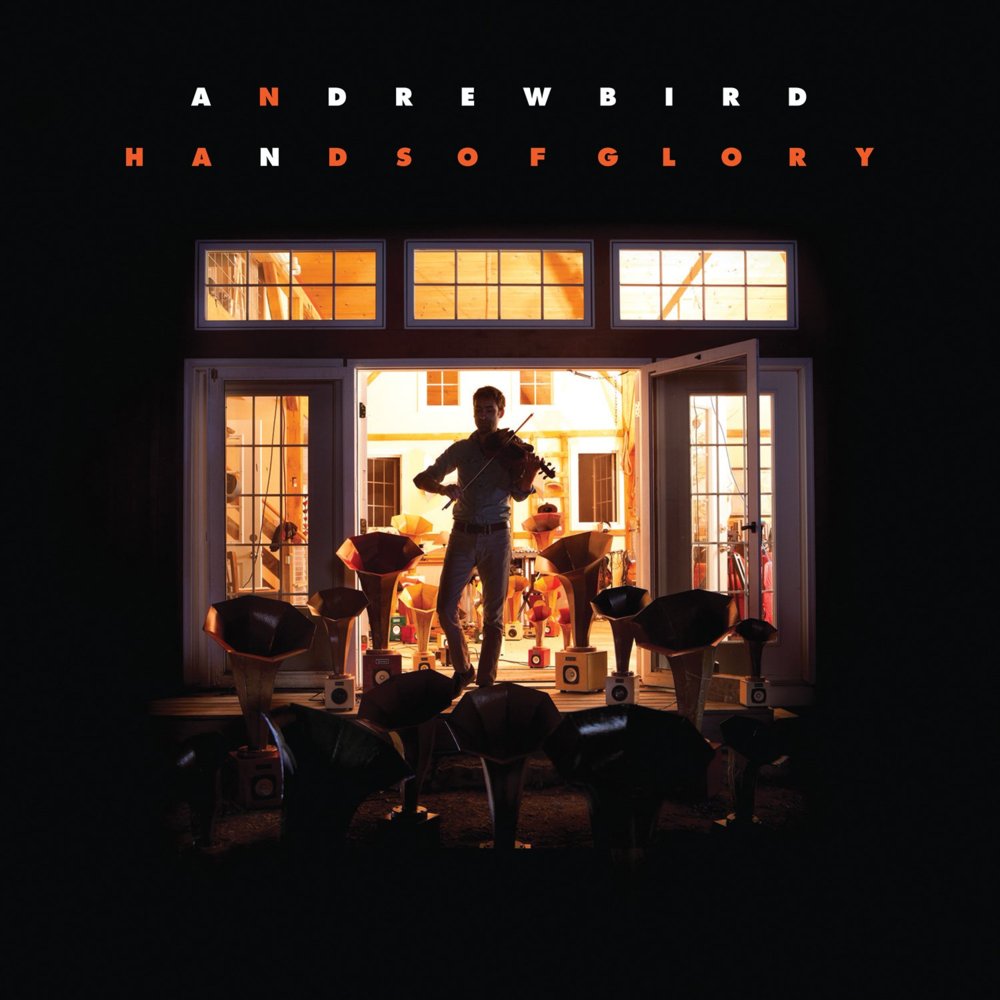
 View Artist