Song Meaning
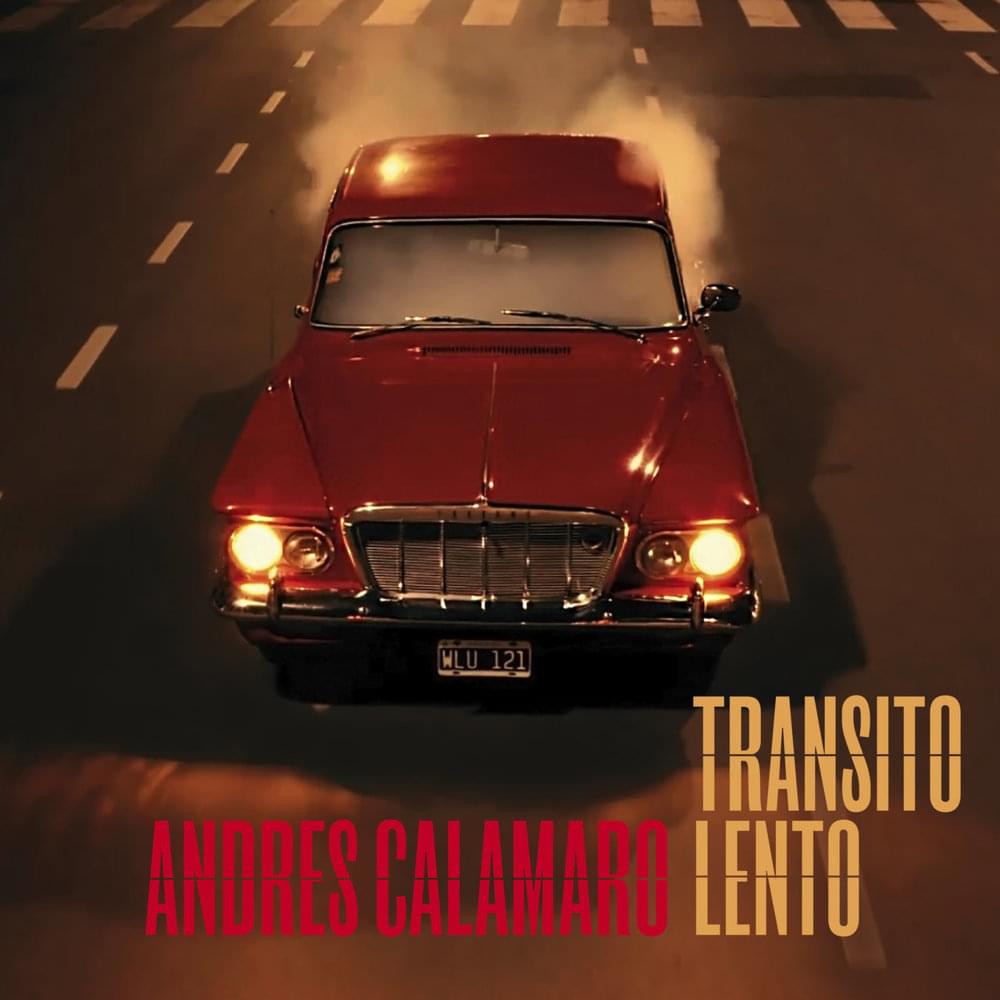
Andrés Calamaro's "Transito Lento" isn't just about being stuck in traffic; it's a meditation on the agonizing space between desire and fulfillment. The languid pace of the music mirrors the lyrical content, trapping the listener in the same existential purgatory as the narrator. He’s not the "fruta madura de los viajes," not someone who thrives on the journey, but someone fixated on the destination, even as he acknowledges that arrival only brings more waiting. It’s a portrait of modern anxiety, the feeling that life is happening *elsewhere*, and you’re merely observing it through a window, "fumando," trying to pass the time. Calamaro captures the frustrating paradox of needing to arrive, yet dreading the inevitable anticlimax that follows.
The repeated refrain of "Esperar salir, esperar en el tránsito lento" (Waiting to leave, waiting in slow transit) underscores the cyclical nature of this purgatory. The narrator yearns for escape, for flight, but is perpetually grounded in the mundane. The references to finding "un nuevo amor," "tu cicatriz," and "su realidad" suggest that the destination isn't merely a physical place, but an emotional state – connection, acceptance, understanding. These potential resolutions are presented as future possibilities, forever out of reach in the present moment. The song suggests a deep-seated fear of stasis, but also an inability to break free from the patterns that perpetuate it.
Ultimately, “Transito Lento,” at its heart, explores the psychological weight of unfulfilled longing. The rhetorical questions in the bridge ("No sé si están perdidos los días iguales / No sé en dónde descansan los días distintos") highlight the narrator's disorientation and his struggle to find meaning in the monotony. The wind, indifferent to the "tránsito lento," becomes a symbol of the external world, moving on without him. The song meaning resides in this tension: the desire for something more, the frustration of waiting, and the quiet desperation of a soul in transit.
 View Artist