Song Meaning
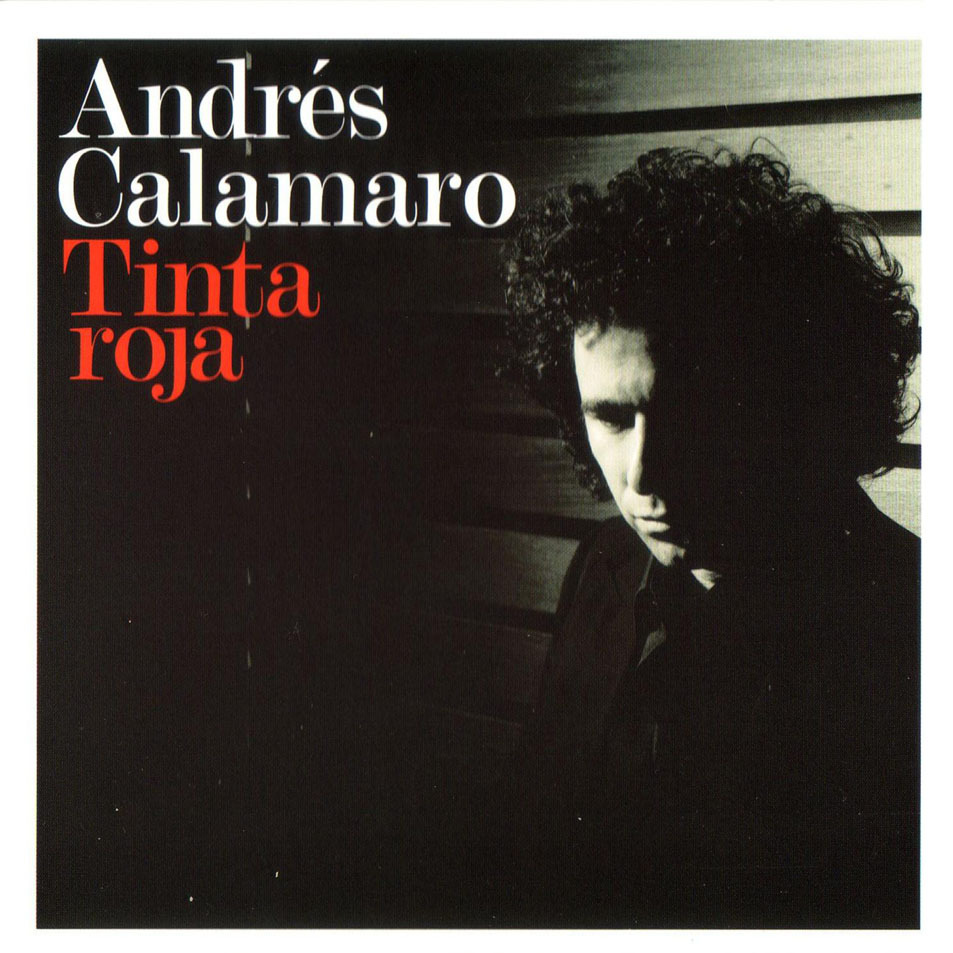
Andrés Calamaro's "Tinta Roja" bleeds with the ache of a lost Buenos Aires, a city painted in the stark contrast of red and grey. The song isn't just a lament; it's an autopsy of a neighborhood, a childhood, a piece of the singer's very heart. The opening lines immediately set the scene: a wall, a 'paredón,' stained with red ink against the grey of yesterday. This 'tinta roja' is more than just color; it's a symbol of passion, pain, and memory violently splashed onto the fading landscape of the past. The lyrics evoke a sense of urban decay and lost innocence as Calamaro questions, '¿Dónde estará mi arrabal?... ¿Quién se robó mi niñez?...' (Where could my suburb be?... Who stole my childhood?). It's a question not just of physical location but of a profound emotional displacement.
The recurring imagery of the 'tano' (Italian immigrant) weeping in the 'fondín' (a humble restaurant or bar) over lost love, fueled by cheap wine ('bon vin'), adds another layer to the song's meaning. This figure embodies the immigrant experience, the constant push and pull of nostalgia and displacement. The 'tano's' sorrow mirrors the singer's own, a shared sense of being adrift, anchored only by memories that grow fainter with time. The color red intensifies this feeling, shifting from the vibrant 'carmín' (crimson) of the lipstick and the 'buzón' (mailbox) to the 'borbotón' (gush) of unhappy blood spilled in a flowerpot, blurring the lines between love, loss, and sacrifice.
Ultimately, the song circles back to the central image of the wall, the 'paredón,' now stained with the singer's own blood. He wonders if it’s the black of his sorrows or the red of a lover's veins. This ambiguity suggests a deep intertwining of personal pain and romantic suffering, a blurring of boundaries that speaks to the profound impact of the past on the present. Calamaro isn't just singing about a lost neighborhood; he's excavating the emotional ruins of his own past, finding that the 'tinta roja' of memory has seeped into the very fabric of his being. The analysis of these lyrics shows the depth of the work.
 View Artist