Song Meaning
Andrés Calamaro's "Tengo una orquídea" isn't just a love song; it's a study in the anxieties and intensities of modern romance. The orchid itself becomes a central symbol, a delicate and precious offering weighed against the overwhelming force of the singer's affections. He acknowledges love's traditional virtues – patience, the ability to wait – but confesses his own love is "urgente" and "transparente," unable to play the expected games. This sets up the central tension: a desire for immediate connection versus the potential for overwhelming his beloved. The repeated apology ("Perdoname") hints at past missteps, a recognition that his intensity might be perceived as pressure.
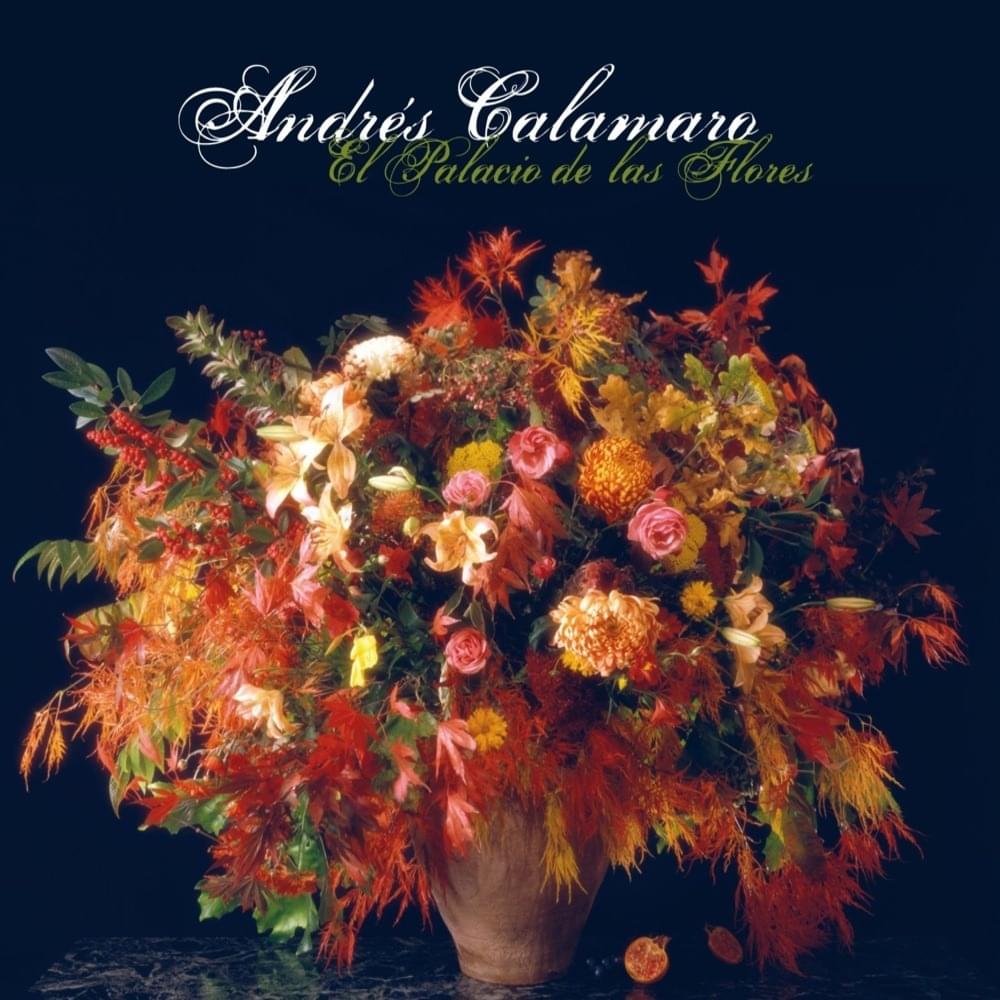
The lyrics reveal a vulnerability beneath the bravado. Calamaro positions himself as a gardener tending to his beloved, declaring, "vos sos la flor más hermosa de todo el jardín." This isn't mere flattery; it's an admission of her inherent beauty and worth, a value he seeks to nurture. The promise to spend everything on flowers, culminating in planting one in her own garden, speaks to a desire for permanence and growth. He isn't just offering fleeting gestures, but a long-term investment in their shared future.
Yet, the urgency persists. The plea, "Bonita, avísame, que tengo planes para los dos," borders on possessive, highlighting the precarious balance between passionate pursuit and potential control. The line, "Si alguna idea te siembra una duda no le hagas caso," is particularly telling. It suggests an awareness of her agency, but also a subtle attempt to preempt any reservations she might have. Ultimately, "Tengo una orquídea" captures the push and pull of desire, the fragile beauty of love offered with both vulnerability and a hint of desperation.
 View Artist