Song Meaning
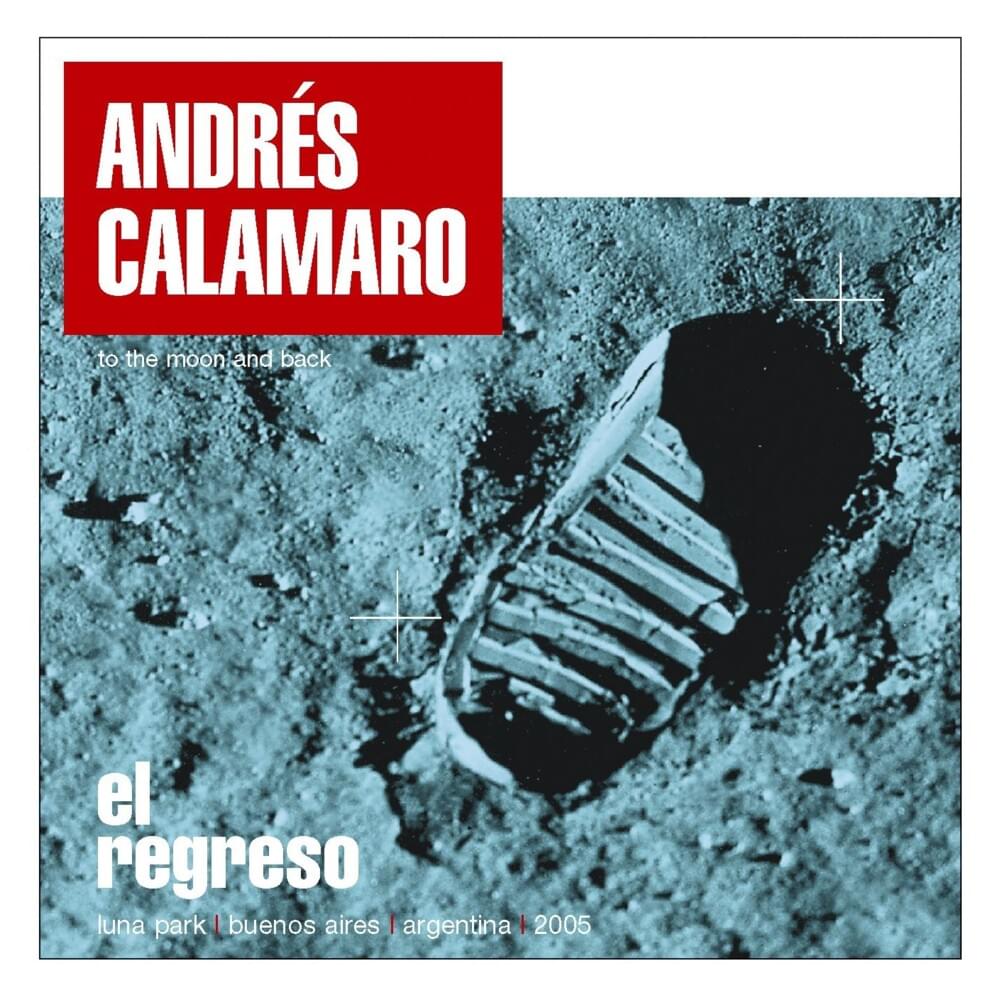
Andrés Calamaro's "Ok Perdón, fue sin querer (en directo 2005)" isn't just an apology; it's a masterclass in emotional detachment disguised as empathy. The song's core revolves around the blunt force of rejection, delivered with a shrug that's both callous and strangely comforting. Calamaro isn't wallowing in guilt; he's offering a twisted form of tough love, a "been there, survived that" pep talk for someone clearly unaccustomed to hearing "no." The opening lines, "Yo no quise lastimarte / Solamente te dije que no," set the stage for this disarmingly honest, almost clinical dissection of heartbreak. The phrase "fue sin querer" (it was unintentional) is not a get-out-of-jail-free card, but a statement of fact, devoid of the usual saccharine remorse.
Beneath the surface, "Ok Perdón, fue sin querer" explores the uneven power dynamics inherent in relationships and the often-unspoken rules of attraction and acceptance. The lyrics hint at a societal pressure to always be agreeable, to avoid the discomfort of rejection. Calamaro challenges this expectation, almost relishing the role of the truth-teller, the one who dares to say "no" and then offers a pragmatic, if somewhat cold, shoulder to cry on. The lines "Donde lloran las gaviotas / Vamos juntos a llorar" evoke a desolate landscape of shared sorrow, yet even in this moment of potential connection, there's a sense of distance, as if Calamaro is observing the pain rather than fully participating in it. It's a study in how we cope with disappointment, sometimes by minimizing its impact, other times by offering a warped sense of camaraderie.
The song's final verses reveal a vulnerability beneath the hardened exterior. Calamaro admits to his own history of rejection ("Cuantas veces me dijeron que no / A mi y sobreviví") and extends a hand, not in pity, but in solidarity. The offer to teach the listener how to lose is perhaps the most poignant moment of the song, suggesting that the ability to navigate disappointment is a crucial life skill. The rhetorical questions, "Por qué? por qué? / Te pusiste así," and the subsequent offer of friendship, highlight the absurdity of taking rejection so personally. Ultimately, "Ok Perdón, fue sin querer" is a darkly humorous, brutally honest exploration of rejection, resilience, and the awkward dance of human connection.
 View Artist