Song Meaning
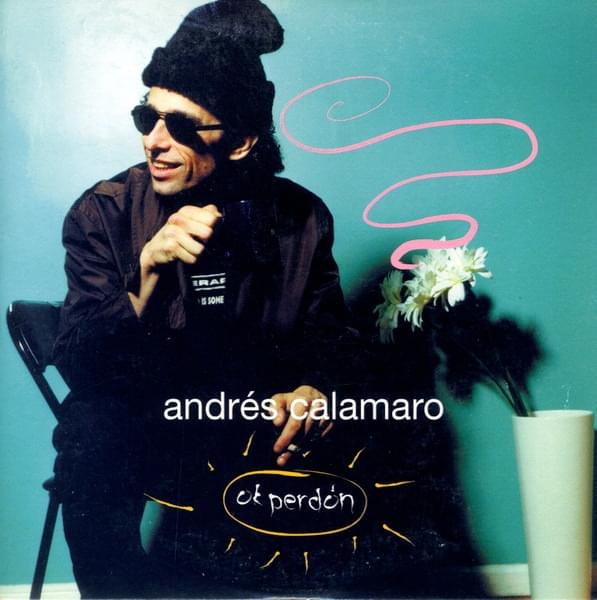
Andrés Calamaro's "Ok Perdón" isn't your typical apology anthem; it's a masterclass in the art of the non-apology, delivered with a characteristically Argentinian blend of cynicism and tenderness. The track revolves around the uncomfortable aftermath of rejection, examining not the act itself, but the recipient's bruised ego and the speaker's awkward attempts at consolation. Calamaro's lyrics don't wallow in remorse. Instead, they offer a raw, almost detached observation of the other person's pain, punctuated by the titular phrase, “Ok perdón, fue sin querer” (Okay, sorry, it was unintentional). This isn't about taking responsibility; it’s about managing the fallout.
The song's brilliance lies in its psychological realism. Calamaro acknowledges the sting of rejection – "Supongo que dolió un poco / Si fue la primera vez" (I suppose it hurt a little / If it was the first time) – but immediately pivots to a tough-love approach. He recounts his own experiences with rejection ("Cuántas veces me dijeron que no / A mí y sobreviví" - How many times have they told me no / To me and I survived), framing it as a rite of passage. The imagery of weeping seagulls and the line "No te preocupes, no se te nota / Que no sabes encajar" (Don't worry, it's not noticeable / That you don't know how to fit in) evokes a sense of shared vulnerability, albeit one tinged with a certain world-weariness.
Ultimately, "Ok Perdón" exposes the power dynamics inherent in rejection. The speaker, while claiming to not have intended to hurt, subtly asserts his dominance by offering unsolicited advice and framing himself as a survivor. The final lines, "¿Por qué? ¿por qué te pusiste así? / La próxima vez te digo que sí / Igual somos amigos / Porque para enemigos / Hay un montón de gente corriente" (Why? Why did you get like that? / Next time I'll say yes / We're still friends anyway / Because there are a lot of ordinary people for enemies) are a sarcastic twist. It suggests a manipulative quality, where friendship is maintained not out of genuine affection, but to avoid creating yet another "ordinary" enemy. Calamaro’s lyrics analysis reveals a complex and somewhat unsettling portrait of human relationships, where apology is less about contrition and more about maintaining social equilibrium.
 View Artist