Song Meaning
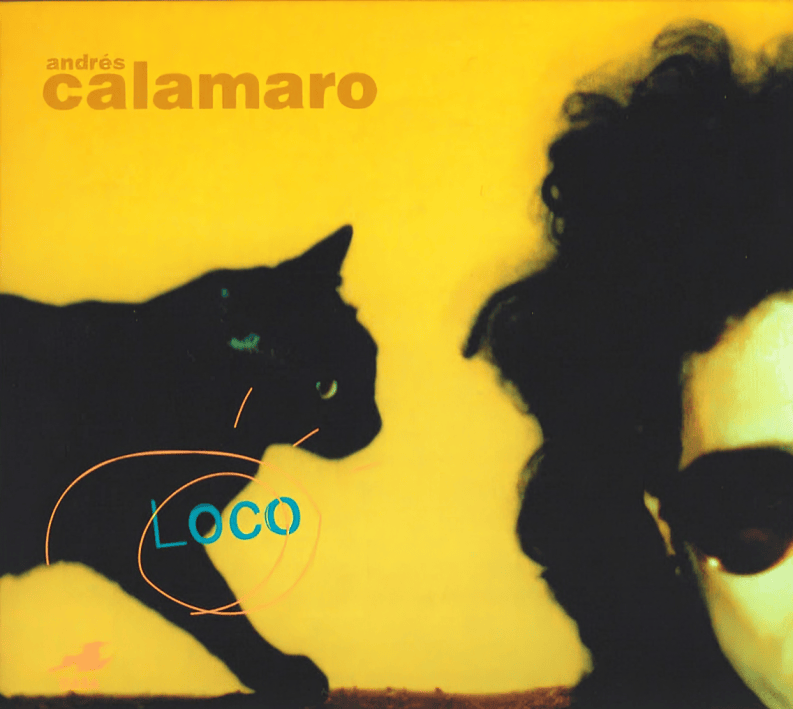
Andrés Calamaro's "Loco" isn't a descent into madness; it's a hard-won observation from the fringes. The track, driven by a deceptively simple melody, unpacks the tightrope walk of maintaining composure in a world that often feels absurd. The opening verse paints a picture of deliberate detachment: a solitary walk, a quiet smoke in the park, observing the mundane ritual of pigeons feeding. But beneath the surface simmers a "violent, radical" undercurrent, a repressed "instinto asesino" held in check before the eyes of the public. This tension—the struggle to contain primal urges within societal constraints—is at the heart of the song's meaning. It speaks to the universal experience of feeling alienated and the effort required to perform normalcy. This isn't just about being crazy; it's about the awareness of that potential, and the constant negotiation it demands.
The chorus, a declaration of madness recognized, is the key. "Yo soy un loco / Que se dio cuenta / Que el tiempo es muy poco" translates to "I am a madman / Who realized / That time is very short." This isn't a boast, but an acknowledgment of mortality and the fleeting nature of existence, perceived through a mind operating outside the norm. The brevity of life amplifies the absurdity, making the performance of sanity even more exhausting. Calamaro isn't glorifying madness; he's suggesting that the 'loco' has a clearer perspective on reality's inherent fragility. The repetition of the chorus reinforces this central idea, hammering home the urgency born from this awareness.
The recurring "Nana-nanana" interludes offer a moment of almost childlike release, a brief escape from the weight of self-control. It's a sonic exhale, a letting go that hints at acceptance. The line “A lo mejor resulta mejor así” ("Maybe it turns out better this way") suggests a reluctant embrace of this outsider status. Perhaps, Calamaro implies, there's a certain freedom in acknowledging one's own perceived madness, in recognizing the limitations of time and the inherent absurdity of it all. The song meaning ultimately resides in that delicate balance: a recognition of the 'loco' within, tempered by a pragmatic acceptance of the world as it is.
 View Artist