Song Meaning
The lyrics paint a picture of individuals who have endured immense hardship and made significant sacrifices. They've crossed vast oceans, battled against the wind, and left their past lives behind, all while holding onto memories. These are people who have taken their courage hostage to push forward and sought their own truth, even advancing with closed eyes. The narrator, however, contrasts sharply with this resilience, describing themselves as merely a wandering soul lost in time.
The central tension arises from this stark contrast between the determined, journeying 'others' and the adrift narrator. While others actively seek and strive, the narrator expresses a profound sense of disorientation and a desperate plea for guidance. The repeated question, "Dites-moi, dites-moi" (Tell me, tell me), underscores a deep yearning for direction and self-discovery, highlighting a feeling of being stuck while the world moves on.
The most striking aspect of the writing is the narrator's self-description as "une âme qui erre / Et qui se perd dans le temps" (a soul that wanders / And gets lost in time). This imagery powerfully conveys a feeling of aimlessness and detachment from the linear progression of life that others seem to navigate. The subsequent declaration, "Peu m'importe" (It matters little to me), regarding time and what lies ahead, could suggest a resignation or a profound disconnect from the stakes that drive others.
Ultimately, the lyrics resonate because they articulate a universal feeling of being lost amidst the determined strides of others. The raw vulnerability in the repeated pleas for help, juxtaposed with the quiet strength of those who have faced adversity, creates an emotional landscape that many can connect with. The writing effectively captures the quiet desperation of searching for oneself when the path forward is obscured.
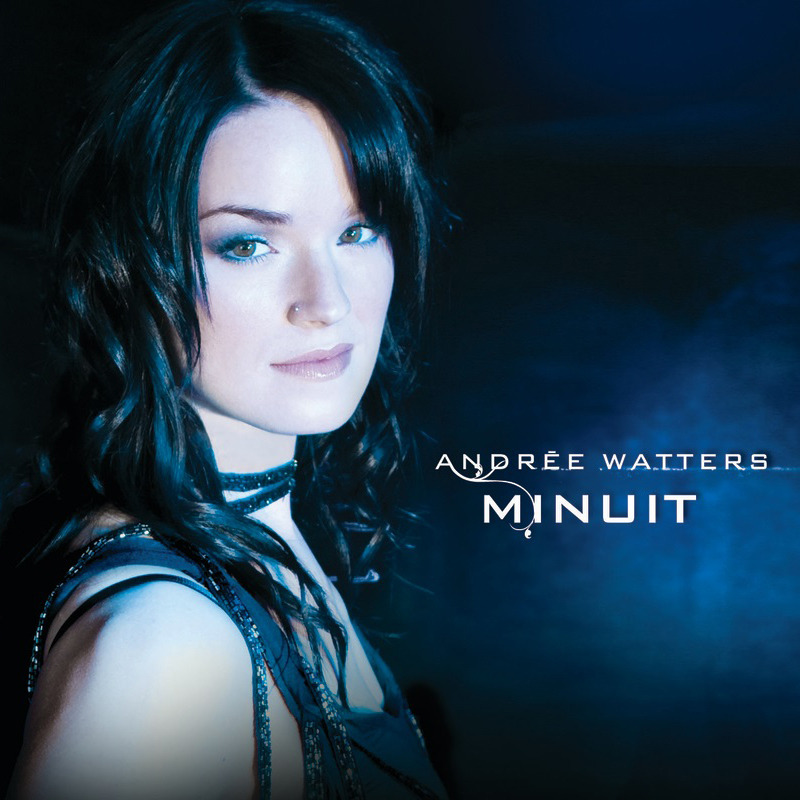
 View Artist