Song Meaning
Andreas Johnson's "The Pretty Ones" isn't just a catchy melody; it's a carefully constructed anthem of defiant beauty in the face of existential dread. The song meaning resides in its paradoxical nature. The lyrics initially paint a picture of idyllic togetherness: "What a pretty thought to think / When the nights is closing in / We star together." This imagery evokes a sense of shared vulnerability and mutual support, a huddling against the darkness. But the recurring assertion, "We really don't give a damn," hints at a deeper, perhaps darker, truth. It's not carefree abandon, but a shield against the anxieties that gnaw at the edges of this manufactured paradise. This "don't give a damn" attitude is less about genuine indifference and more about a survival mechanism, a way to cope with the potential fragility of their bond and the looming inevitability of change.
The phrase "pretty ones" itself carries a double edge. On the surface, it speaks to a shared sense of self-worth and belonging, a tribe defined by its perceived attractiveness or privilege. However, the repeated questioning – "Maybe we're falling apart / Maybe our love is not enough" – cracks the facade. The pretty exterior might be a mask concealing internal struggles and doubts. It is a performance of unwavering unity despite the potential for disintegration. Johnson masterfully uses repetition to drive home this point. The cyclical nature of the lyrics, returning again and again to the central themes of togetherness and indifference, mirrors the cyclical nature of anxiety itself.
Ultimately, "The Pretty Ones" is a poignant exploration of how we construct narratives of invincibility to navigate the uncertainties of life and relationships. The song's power lies in its ability to hold these conflicting emotions in tension, acknowledging both the beauty of connection and the ever-present fear of its impermanence. The "pretty ones" aren't necessarily carefree, but they are resilient, choosing to face the darkness together, even if their bravado is tinged with a hint of desperation. The Andreas Johnson track becomes an anthem for a generation grappling with authenticity and the pressures of maintaining appearances in an increasingly precarious world.
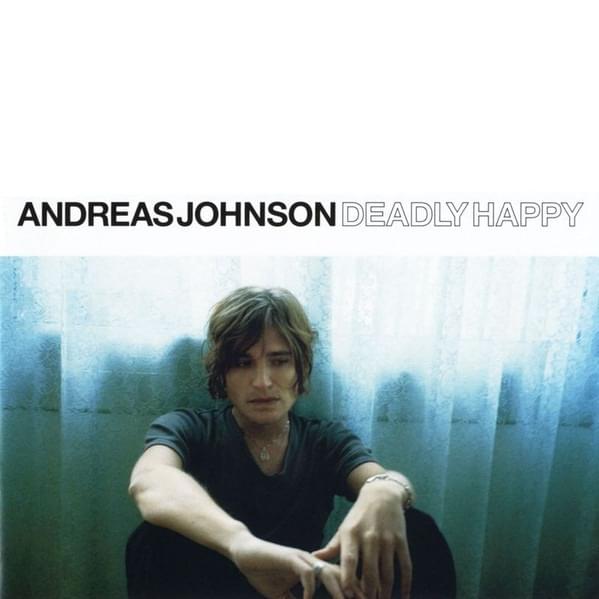
 View Artist