Song Meaning
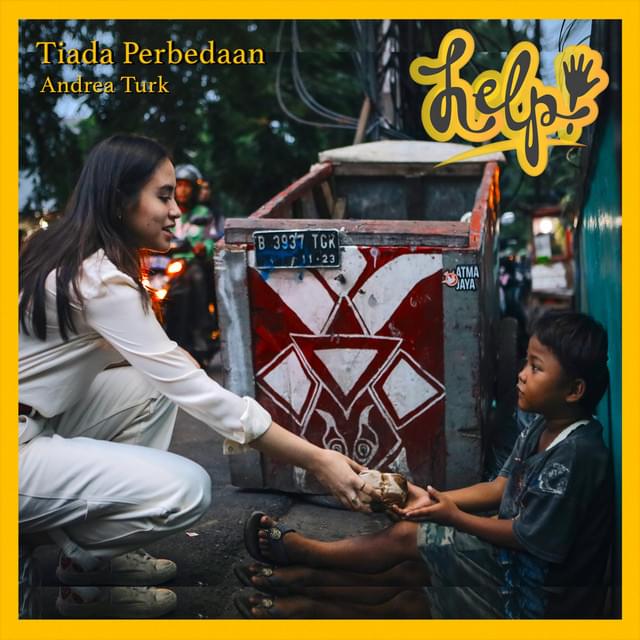
This song paints a vivid picture of a yearning for an idealized sanctuary, a place free from conflict and judgment. The narrator longs for a return to a simpler, happier childhood state where everyone is equal, a stark contrast to the complexities and divisions of the present. The core desire is for a world without animosity or competition, where fundamental sameness bridges all differences.
The central tension lies in the unattainable nature of this perfect place, described as being "under the rainbow arch" where "sun and stars meet." This imagery evokes a dreamlike, almost mythical destination, highlighting the immense distance between the narrator's current reality and their deepest wish. The repeated phrase "Andaikan aku bisa berada di antara" (If only I could be there) underscores this profound sense of longing and the feeling of being perpetually on the outside looking in.
The lyrics masterfully use contrasting ideas to emphasize the desired unity. The narrator wishes for a place where "you and I are the same," even if "languages differ," and where "prayers and laughter" can coexist despite not being "in tune." This highlights a sophisticated understanding of how superficial differences can mask a deeper, shared humanity. The recurring motif of "tiada ada perbedaan" (there is no difference) acts as a powerful mantra, reinforcing the ultimate goal of absolute equality and acceptance.
Ultimately, the song's emotional resonance stems from its direct and earnest expression of a universal human desire for peace and belonging. The simple, evocative language and the consistent focus on a singular, hopeful vision create a powerful sense of catharsis. It’s this pure, unadulterated wish for a world where everyone is seen as fundamentally equal that makes the lyrics so compelling and deeply felt.
 View Artist