Song Meaning
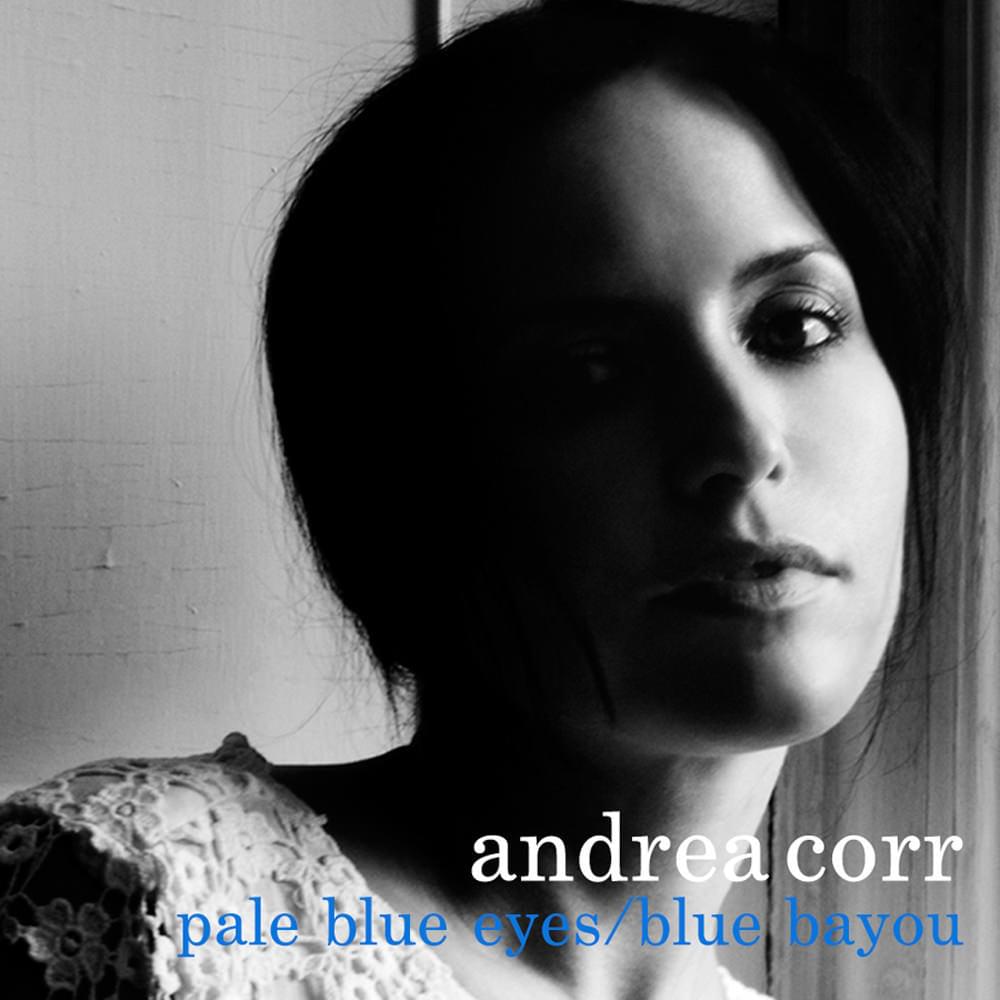
Andrea Corr's rendition of "Blue Bayou" is less a geographical place and more a psychological state—a longing for a return to simpler times, a retreat into the comforting embrace of nostalgia. The opening lines immediately establish a sense of displacement and melancholic yearning. The singer is burdened by a "worried mind" and profound loneliness, triggered by the absence of a loved one left behind at the titular 'blue bayou.' This absence isn't just physical; it represents a severing from a source of emotional stability and identity. The lyrics paint a picture of someone adrift, seeking solace in the memory of a place where they felt whole. The act of "saving nickels, saving dimes" and toiling "until the sun don't shine" underscores the sacrifices being made in pursuit of this reunion, highlighting the depth of their desire to return. The repetition of "blue bayou" acts as a mantra, a focal point for their hopes and dreams.
The vivid imagery associated with "blue bayou" – "catfish play[ing]", "fishing boats with their sails afloat", a "familiar sunrise" – evokes a sense of idyllic tranquility, a stark contrast to the singer's current state of distress. These aren't just mental snapshots, they are the building blocks of an idealized past, a carefully constructed sanctuary from present-day anxieties. The desire to be reunited with "my baby" and "some of my friends" suggests a craving for connection and belonging, a yearning to re-establish the social bonds that once provided comfort and support. The promise of happiness hinges entirely on this return, implying a belief that the "blue bayou" holds the key to resolving their inner turmoil.
Ultimately, Andrea Corr's "Blue Bayou" lyrics analysis reveals a profound exploration of the human need for home, both in the physical and emotional sense. The song's meaning goes beyond a simple travelogue, delving into the complexities of memory, longing, and the search for inner peace. The "blue bayou" becomes a symbol of hope, a reminder that even in the darkest of times, the possibility of returning to a place of comfort and belonging can sustain us. The concluding lines, "I'll never be blue, my dreams come true, on blue bayou," offer a glimmer of optimism, suggesting that the singer believes in the power of this dream to eventually alleviate their suffering and bring them back to a state of emotional equilibrium.
 View Artist