Song Meaning
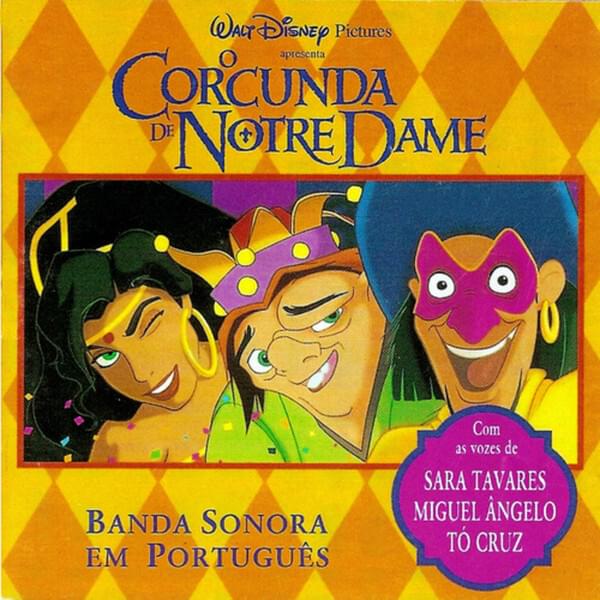
The lyrics immediately confront the listener with a provocative question: "Who is the monster, and who is the man?" This sets a tone of moral ambiguity, directly challenging perceptions tied to the iconic Notre Dame setting. The repeated phrase "Sempre ao som de Notre Dame" grounds this uncertainty within the familiar, yet now questioned, soundscape of the cathedral.
The central tension arises from the contrast between the external, imposing sound of the bells and the internal, human question of identity and morality. The "dobrar dos sinos" (tolling of the bells) is described as unfolding into "hinos" (hymns), suggesting a sacred or elevated sound. Yet, this very sound is linked to the unresolved query about who embodies monstrosity and who represents humanity.
The craft here hinges on the juxtaposition of the grand, almost divine sound of the bells with a deeply human, unsettling question. The simple, onomatopoeic "Dlin-dlon" grounds the grandiosity of "hinos" and "feitiço" (spell) in a repetitive, almost hypnotic rhythm. This repetition emphasizes the inescapable nature of the question, suggesting that the sound of Notre Dame itself is intrinsically tied to this ongoing, unresolved judgment.
This lyrical passage is effective because it uses the familiar auditory symbol of Notre Dame’s bells to introduce a profound, unsettling ambiguity. It forces a reconsideration of appearances, suggesting that the sacred soundscape might be the very thing that obscures or even creates the distinction between monster and man, leaving the listener to ponder the source of true monstrosity.
 View Artist