Song Meaning
The narrator offers a ring, acknowledging it's not much, but it's given freely because the recipient has always been supportive. This isn't a grand gesture, but it's all the narrator has to give, a heartfelt offering from scarcity. The repeated phrase "Veel is 't niet" (It's not much) sets a tone of humble sincerity.
The core tension lies in the ring's history and its intended recipient. It was meant for someone else who is now gone, creating a poignant sense of what might have been. The narrator admits it took a long time to even consider asking the current recipient to take it, perhaps due to the lingering attachment to its original purpose or a hesitation to offer something second-hand.
The most striking aspect is the ring's pristine condition: "Hij is echt nog nooit uit het doosje geweest" (It has truly never been out of the box). This detail transforms the offering from a mere hand-me-down into something preserved, waiting. The narrator's insistence that the recipient deserves it most, "jou gun ik hem 't meest," elevates the gift beyond its material value, making it a symbol of deep personal appreciation and a desire for it to finally fulfill its purpose, albeit with a different person.
This lyricism resonates because it captures the complex emotions tied to gifts that carry history. It’s about recognizing someone's steadfast presence with a token that’s both imperfect in its origin and perfect in its potential to be cherished anew. The plea, "Draag 'm voor mij" (Wear it for me), imbues the act of wearing the ring with a shared significance, bridging the past and present through a simple, yet profound, act of giving.
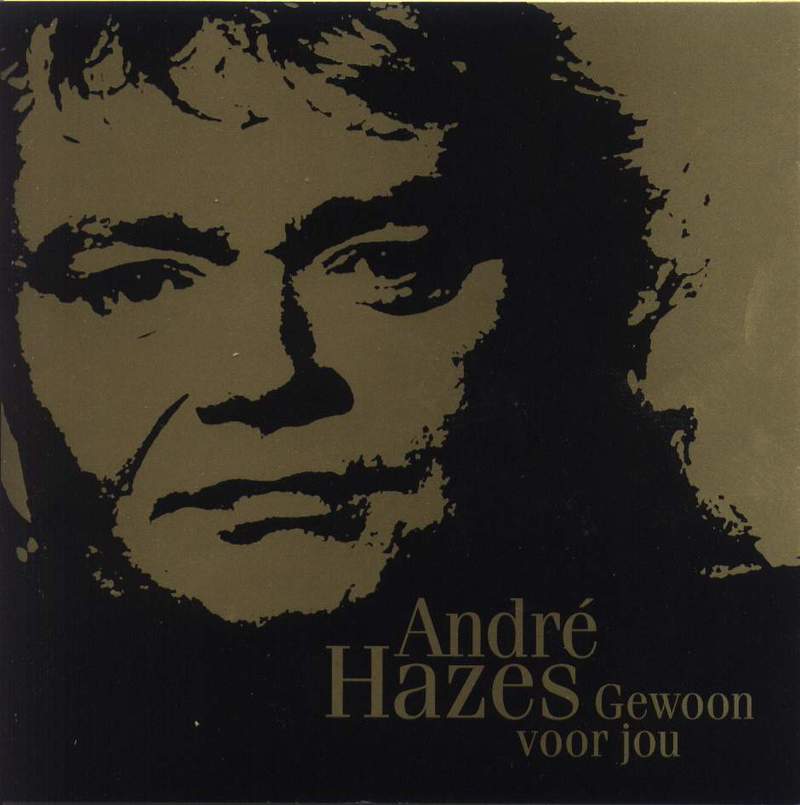
 View Artist