Song Meaning
The narrator is firmly asserting their independence and refusal to change, framing it as a long-held way of life. The opening lines, "Verander mijn leven nu niet / Want dat zal niets geven," immediately establish a tone of resolute self-possession. They liken themselves to a bird, "Vrij als een vogel ben ik," emphasizing a desire for freedom and an unwillingness to be confined or altered by external forces.
The core tension lies in the narrator's rejection of a partner's attempts to influence or change them, coupled with a sense of regret for not communicating this sooner. "Dit had ik jou moeten vertellen / Maar het is nu te laat" suggests a past opportunity missed, leading to the current impasse where change is impossible. The repeated refrain, "Ik leef mijn eigen leven / Laat mij mijn gang nu maar gaan," underscores this unwavering commitment to their personal autonomy, dismissing any external judgment: "Het is mij om het even / Wat een ander over mijn leven zegt."
The second verse paints a stark contrast between the narrator's desired freedom and a domestic, perhaps stifling, routine associated with a partner. Images like "Pantoffels, tv, luie stoel" and the mundane offer of coffee suggest a settled, predictable existence that the narrator actively distances themselves from. The line "En daar lig jij over koppijn te zeuren" implies a dismissive attitude towards the partner's complaints, further highlighting the narrator's desire to remain unburdened and unchanged by such domestic entanglements.
Ultimately, the lyrics resonate through their direct and unapologetic declaration of self. The narrator isn't asking for permission to be themselves; they are stating it as an unalterable fact. The effectiveness comes from this blunt refusal to compromise, particularly the finality in "Je kan mij niet meer veranderen / Dat heb ik jou zo vaak uitgelegd," which leaves no room for negotiation and solidifies their independent stance.
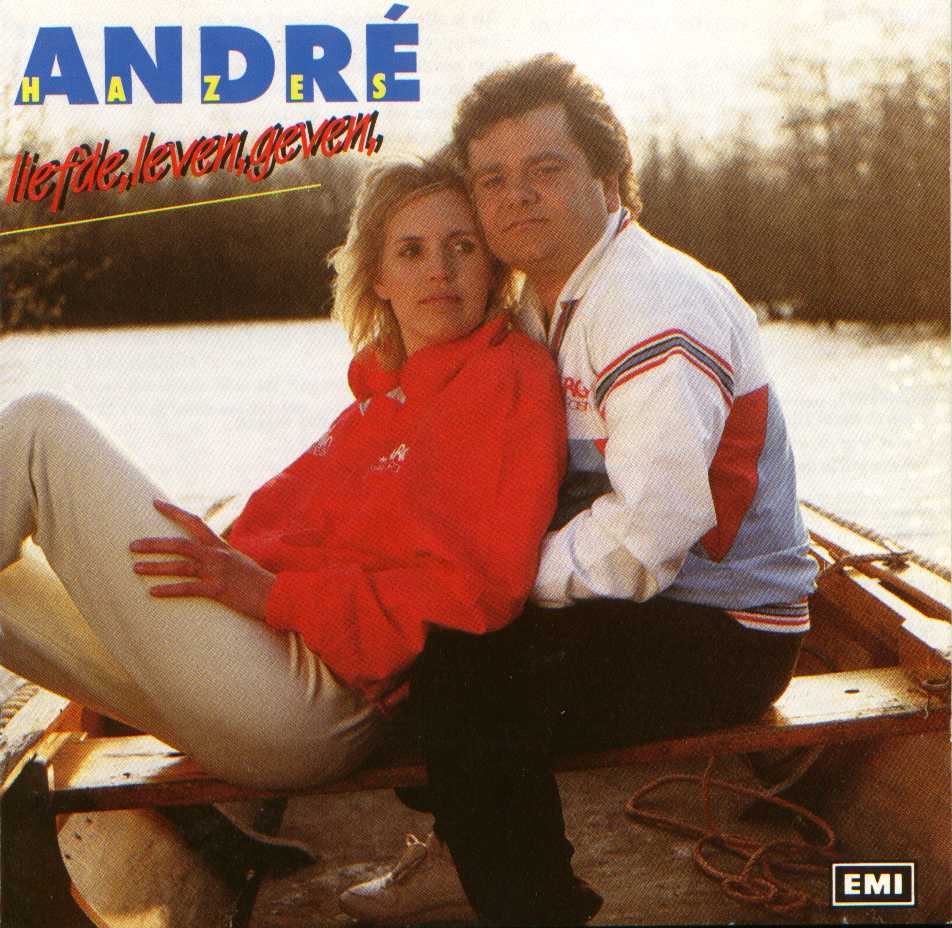
 View Artist