Song Meaning
The narrator is confronting someone who left them for another person, only to return when that relationship failed. The opening lines immediately establish a tone of regret and accusation: "Jij wilde met hem mee, dat was geen goed idee" (You wanted to go with him, that was not a good idea). The narrator points out that this was the other person's own choice, emphasizing their agency in the decision that led to this moment. Now, standing at the narrator's door, the person yearns for the "sleur" (routine, drudgery) they once shared, a stark contrast to the allure of the new relationship.
The core tension lies in the finality of the narrator's decision. The repeated phrase "Maar het is echt te laat" (But it is really too late) acts as a definitive rejection, a wall built against the pleas of the returning party. The narrator insists it's better for them not to be together, highlighting that the other person understood the situation well but made their choices nonetheless. The plea to "laat jij me nu m'n eigen gang maar gaan" (just let me go my own way now) underscores the narrator's desire for independence and closure, refusing to be drawn back into a past that was abandoned.
The lyrics reveal a painful history where the other person was blinded by superficial gain, specifically "z'n geld" (his money), ignoring the narrator's warnings. The line "Hoe lang zat jij bij hem, nooit hoorde jij m'n stem" (How long were you with him, you never heard my voice) suggests a period of neglect and a missed opportunity for reconciliation or communication. The narrator's voice was present, offering a different path, but it went unheard, lost in the pursuit of perceived wealth or status.
This song hits hard because of its blunt honesty and the clear demarcation of boundaries. The narrator isn't wallowing in sadness; they are asserting their right to move on, even if the other person regrets their decision. The repetition of "het is echt te laat" solidifies this stance, making it clear that the door is not just closed, but locked. The effectiveness comes from the narrator's firm refusal to be a fallback option, grounded in the other person's past choices and the narrator's present need for self-preservation.
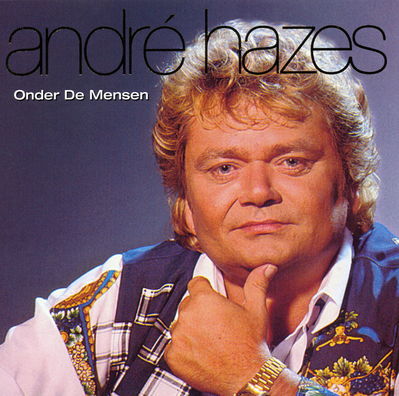
 View Artist