Song Meaning
The lyrics paint a picture of a recurring morning, marked by a persistent lack of employment and funds. Despite these material hardships, a defiant laughter surfaces, fueled by an internal conviction that things will eventually improve. This isn't a passive hope, but an active choice to find joy in the simple fact of existence, even when possessions are scarce. The narrator asserts, "Ach ik leef al heb ik niet veel," highlighting a fundamental appreciation for life itself over material wealth.
The central tension lies in the stark contrast between external circumstances – "Nog steeds zonder werk / Nog steeds zonder geld" – and the internal emotional state of persistent joy. This isn't a denial of the difficulties, but a deliberate refusal to let them dictate happiness. The repeated phrase "Ondanks dat blijf ik altijd lachen" (Despite that, I always keep laughing) underscores this resilience. It suggests a conscious effort to maintain a positive outlook, a choice made in the face of adversity.
The most striking aspect of the craft is the relentless repetition of the core sentiment, creating a mantra-like effect. The lines "Ik heb niet veel nodig / Nee niet veel nodig" and "Ook zonder centen kan ik lachen" are hammered home, reinforcing the narrator's philosophy. This repetition isn't just for emphasis; it mirrors the cyclical nature of the "morgen zoals elke morgen" (morning like every morning), suggesting that this mindset is a daily, practiced affirmation. The declaration "Ik ben toch alleen / Dat maakt mij niets uit" (I am alone anyway / That doesn't matter to me) further solidifies this self-sufficiency, framing solitude not as a deficit but as a neutral state that doesn't impede happiness.
Ultimately, the effectiveness of these lyrics stems from their raw, unvarnished portrayal of finding freedom and joy not in abundance, but in the absence of need and the presence of life. The narrator's laughter, even when "zonder geld," feels earned and authentic because it's presented as a conscious, daily choice. It’s a powerful reminder that contentment can be an internal state, cultivated through perspective rather than possessions, especially as the day closes "als ik mijn ogen weer sluit" (when I close my eyes again).
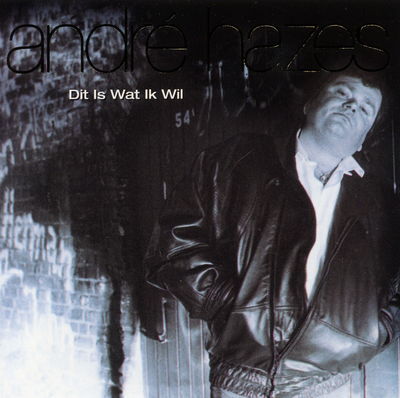
 View Artist