Song Meaning
The lyrics paint a tender, almost desperate picture of a parent trying to soothe a child to sleep amidst adult turmoil. The opening lines establish a comforting routine, promising future fun and reassuring the child that the parent won't leave. This immediate sense of security, however, is quickly undercut by the admission, "'t Is tussen mama en mij mis gegaan" – something has gone wrong between mom and me. This hint of marital strife creates a poignant tension, as the parent's words of comfort are delivered from a place of personal distress.
The core emotional conflict lies in the parent's attempt to shield the child from the harsh realities of their broken home. The narrator projects an idealized future onto the child, stating, "Straks word het leven voor jou wonderschoon" (Soon life will be wonderful for you), while simultaneously clinging to the child as their sole source of meaning. The declaration, "Pappie heeft enkel nog jou / Jij bent me meer waard dan iedere vrouw" (Daddy only has you now / You are worth more to me than any woman) reveals a profound, perhaps unhealthy, dependence, placing an immense burden of emotional support onto a young child.
The most striking aspect of the craft is the juxtaposition of innocent imagery with adult pain. The narrator focuses on the child's physical attributes – "blond krullend haar" (blond curly hair) and "oogjes gesloten" (eyes closed) – to emphasize their purity and vulnerability, describing the child as "nog onbedorven" (still unspoiled). This contrasts sharply with the narrator's own admission of failure and their reliance on the child for validation and purpose. The repeated promise, "ik sta voor jou altijd klaar" (I am always ready for you), feels both a genuine vow of protection and a plea for the child's unwavering presence in the narrator's life.
Ultimately, these lyrics resonate because they capture the raw, complicated love of a parent navigating separation. The effectiveness stems from the raw honesty of the narrator's vulnerability, masked by a veneer of parental reassurance. The simple, almost lullaby-like structure belies the deep emotional weight, making the child's innocence a fragile sanctuary against the narrator's own adult heartbreak. The repeated refrain, "Droom maar, ik sta aan je zij" (Just dream, I am by your side), becomes a powerful, albeit bittersweet, affirmation of connection in the face of domestic breakdown.
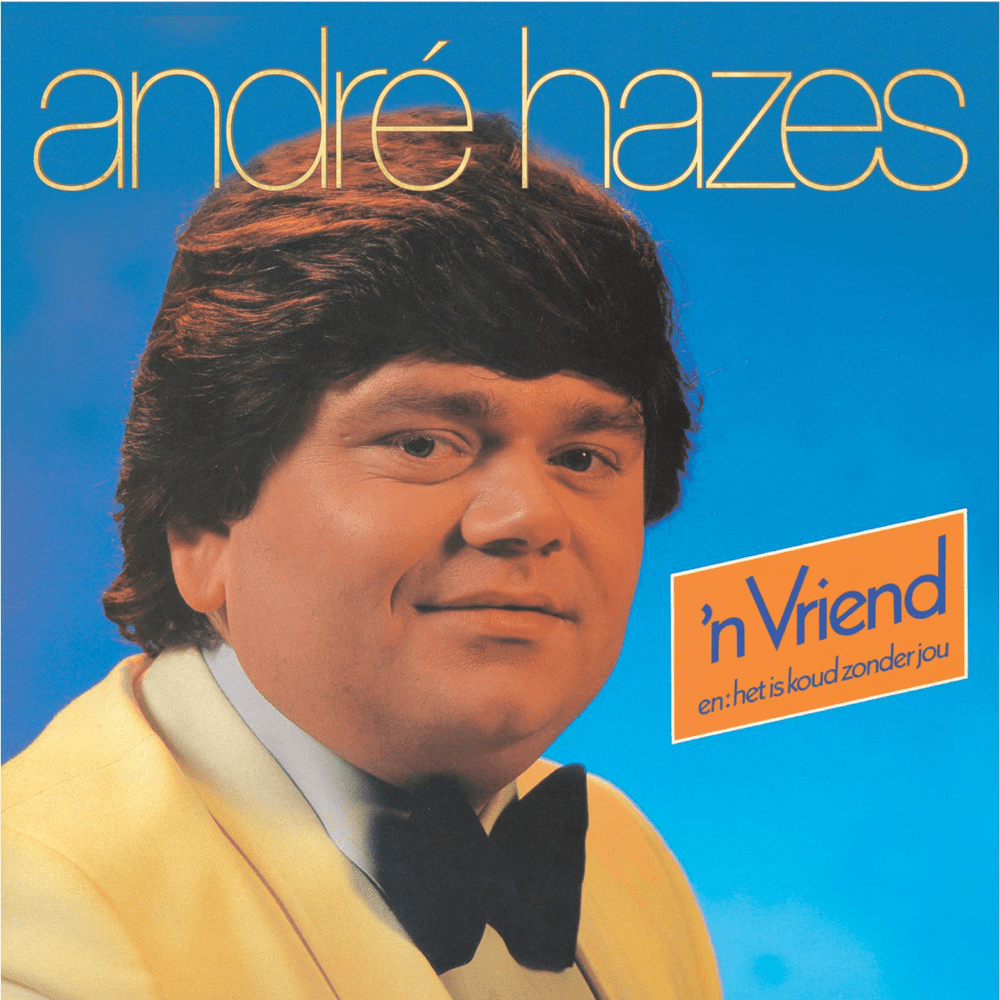
 View Artist