Song Meaning
The lyrics paint a stark picture of a relationship's bitter end, focusing on the narrator's frustration and a sense of finality. The opening lines immediately establish a confrontational tone, questioning a partner's actions and their refusal to communicate. There's a palpable sense of being overlooked, with the narrator feeling invisible to someone who is "just living their life." The plea "Toe zeg me, wat heb ik gedaan" reveals a desperate need for answers that are clearly not forthcoming.
The narrative then shifts to a past ideal, contrasting the "sweet" beginning with the current reality. The partner's early promises of "beautiful words about love, a family" now ring hollow against the backdrop of their diverging paths. The phrase "Wij leefden met elkaar te lang" suggests a relationship that has outstayed its welcome, becoming stagnant and ultimately unsustainable.
The most striking part arrives with the conditional ultimatum: "Als ik de deur achter me sluit / Ben je alleen, dan is het uit." This moment crystallizes the narrator's decision to leave, framing it as the partner's chance to be "free." It’s a harsh declaration, implying that the partner's independence is contingent on the narrator's departure, and that their shared existence has become a cage for the other.
Ultimately, the lyrics articulate a profound sense of regret and wasted time, particularly in the final stanza. The narrator admits fault in "letting you go" but immediately pivots to blaming the partner for being placed on a "pedestal too long." The closing lines "Ga jij maar door en leef zoals je wilt / Ik heb mijn tijd aan jou verspild" encapsulate the raw, resentful conclusion of a relationship that the narrator now views as a complete loss.
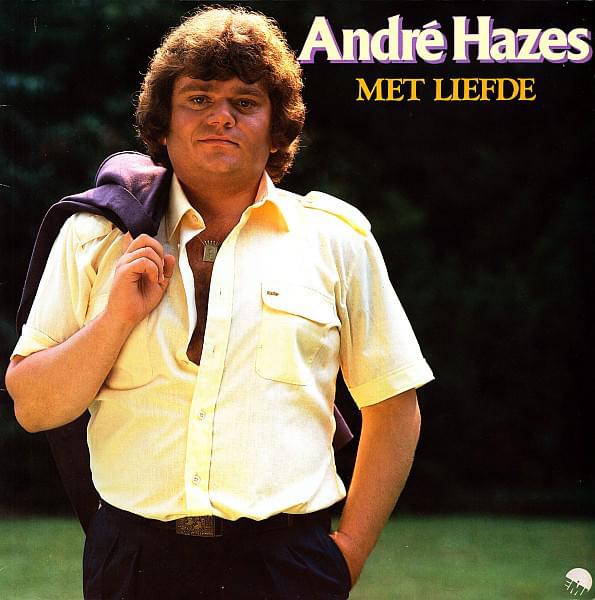
 View Artist