Song Meaning
The lyrics paint a stark picture of a relationship gone wrong, with the narrator expressing disbelief and sorrow over a former lover's current circumstances. The opening lines immediately establish a sense of betrayal and misjudgment: "Jij dacht dat je 't allemaal wist / Maar wat heb jij je vergist." The narrator highlights a pattern of indulgence, stating, "Alles kreeg je wat je vroeg / Maar zelfs dat was niet genoeg," suggesting a deep-seated dissatisfaction in the former partner that material possessions or freedom couldn't fix. This sets up the central tension: the narrator's unwavering love and desire for reconciliation versus the perceived self-destruction of the person they once cherished.
The emotional core of the song lies in the narrator's lament for what was lost and their confusion about the partner's choices. The contrast between the past, where "Jij had 't goed bij mij / In alles liet ik je vrij," and the present, where she "werkt in 'n kroeg" and "lacht naar elke man / Als hij maar betalen kan," is jarring. This shift from a loving, supportive relationship to one where the partner appears to be selling affection for money fuels the narrator's anguish and repeated question, "Hoe heb jij dit kunnen doen?"
The most striking aspect of the writing is the narrator's persistent offer of forgiveness and a return to their former life, framed as the ultimate solution. Despite the partner's apparent descent, the narrator pleads, "kom terug bij mij / Laat mij je helpen schat / Dat meen ik uit m'n hart." The repeated declaration "Want ik hou van jou" acts as both a justification for their plea and a desperate anchor to the past. The lyrics suggest that for the narrator, love is a redemptive force capable of erasing past mistakes and restoring their shared life, even if the partner is no longer listening or receptive.
Ultimately, the effectiveness of these lyrics stems from their raw, unvarnished expression of heartbreak and longing. The narrator's perspective is one of deep personal pain, coupled with a persistent, almost bewildered, hope. The direct address and simple, repetitive declarations of love create a sense of intimacy and vulnerability, making the narrator's plea feel both genuine and tragic. The contrast between the narrator's enduring affection and the partner's perceived degradation is what makes the song hit so hard, leaving the listener with a profound sense of loss and the unresolved ache of unrequited love.
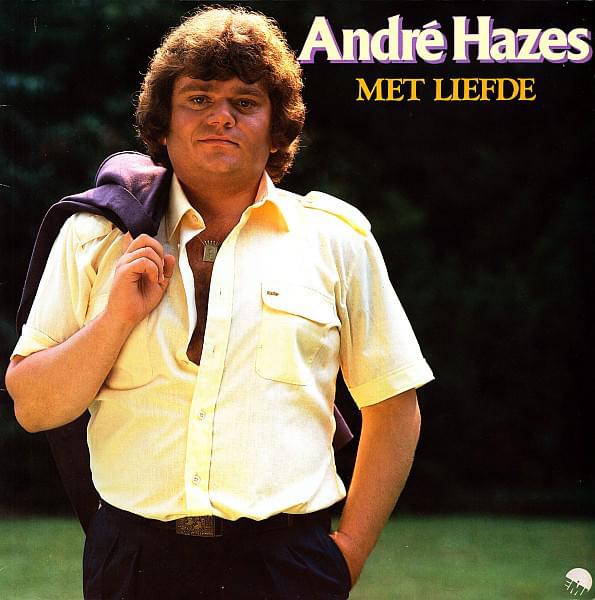
 View Artist