Song Meaning
The lyrics paint a stark picture of a world where material wealth dictates social standing and opportunity. The opening lines immediately establish a transactional, almost Darwinian view of society: "Them that's got shall have, Them that's not shall lose." This isn't just an observation; it's presented as a timeless, almost biblical truth, updated to reflect current realities. The repeated refrain, "Mama may have, Papa may have, But God bless the child that's got his own," serves as a defiant counterpoint, a plea for self-sufficiency in a system that favors the already privileged.
The central tension lies between the harsh realities of economic disparity and the enduring hope for individual agency. The lyrics acknowledge that external support, whether from parents or superficial "friends" attracted by money, is ultimately unreliable. "Empty pockets don't ever make the grade," the narrator states plainly, highlighting how lack of resources leads to marginalization. Yet, the persistent blessing for the self-reliant child suggests that true security comes not from external validation or inherited wealth, but from internal fortitude and personal ownership.
The most striking aspect is the contrast between the conditional nature of human relationships and the unconditional blessing bestowed upon the self-made. Friends flock to wealth, but disappear when the money runs out, illustrating the fickle nature of fair-weather support. Even familial "help" from the rich is depicted as meager and conditional: "Crusts of bread and such." This emphasizes that even those with connections often receive only the bare minimum, with a subtle warning not to overstep. The ultimate message is that true independence, the ability to stand on one's own, is the only reliable asset.
This song resonates because it articulates a deep-seated anxiety about economic insecurity and the superficiality of social connections. The direct, unadorned language cuts through sentimentality, presenting a pragmatic, almost cynical worldview. However, the repeated, almost prayer-like blessing for the child who "got his own" injects a powerful, enduring message of hope and resilience. It’s a call to cultivate inner strength and self-reliance as the ultimate defense against a world that often seems rigged against the less fortunate.
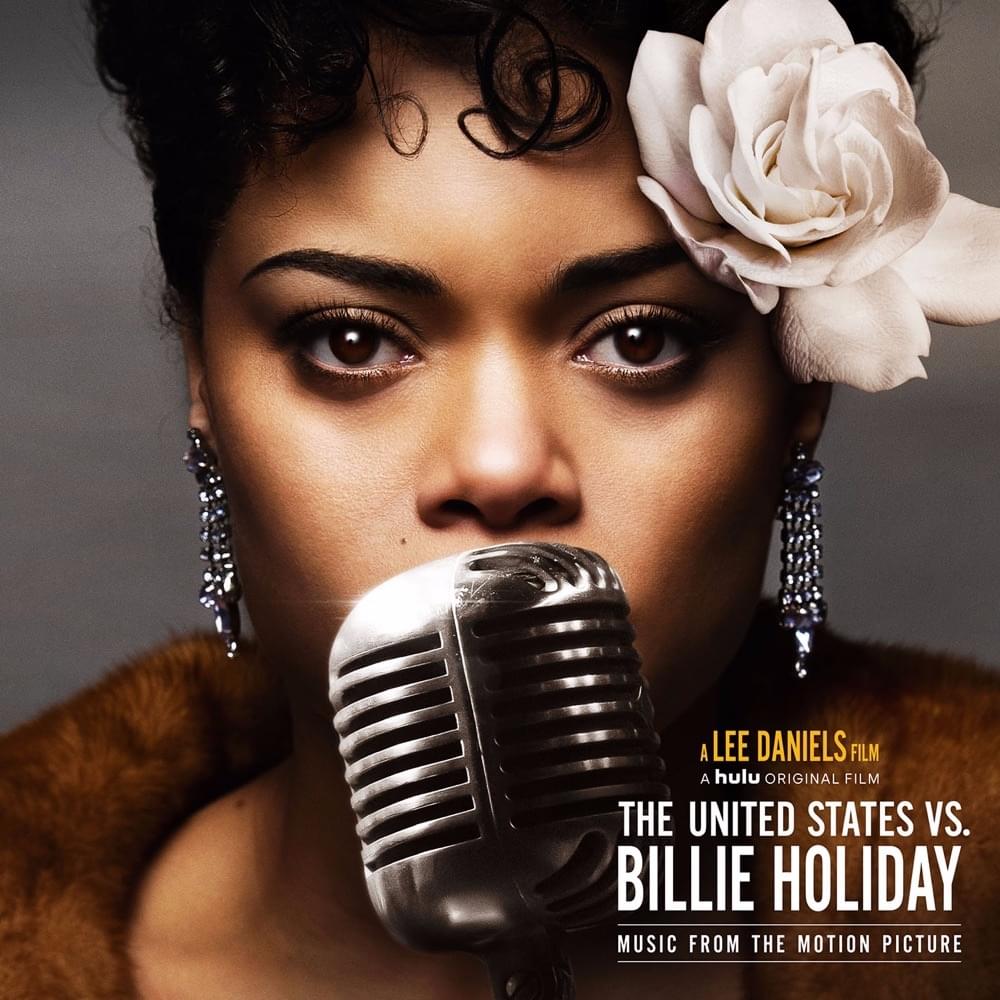
 View Artist