Song Meaning
The lyrics present a stark, instrumental-only soundscape, leaving the emotional interpretation entirely to the listener's imagination. Without any vocalizations or lyrical content, the music itself must carry the weight of meaning, suggesting a narrative or feeling purely through its sonic qualities. This absence of words invites a deeply personal connection, where individual experiences and moods color the perception of the track.
The dominant tone, therefore, becomes a blank canvas for emotional projection. Is it a moment of quiet contemplation, a build-up of tension, or a release of pent-up energy? The lack of explicit guidance forces an engagement with the raw elements of sound – melody, rhythm, harmony, and texture – to discern any underlying message.
The deliberate choice to omit lyrics highlights the power of instrumental music to evoke complex feelings. It challenges the listener to actively participate in constructing the song's narrative, making the experience more immersive. The music becomes a mirror, reflecting the listener's internal state back at them.
Ultimately, the effectiveness of "Blame It On The Goose" without lyrics lies in its open-endedness. It provides a space for introspection and emotional exploration, proving that profound meaning can be conveyed through pure sound, allowing each listener to find their own truth within the instrumental arrangement.
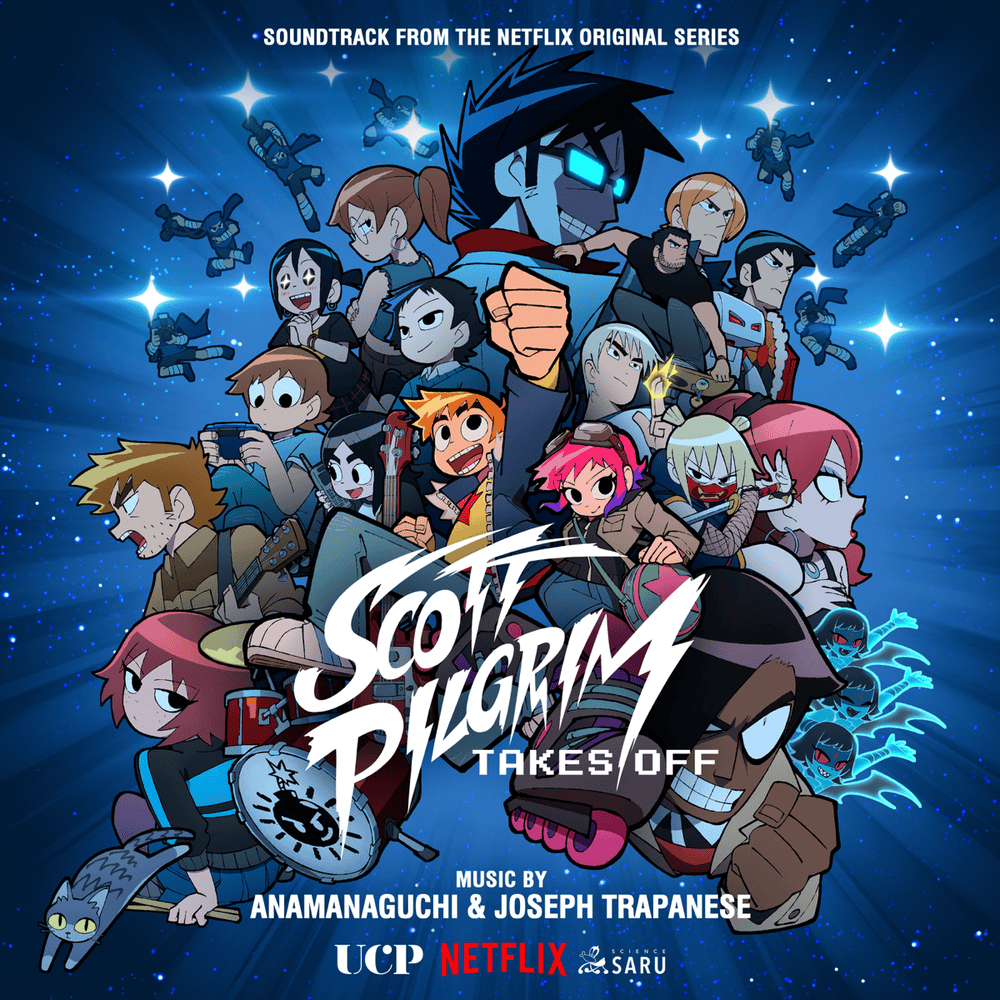
 View Artist