Song Meaning
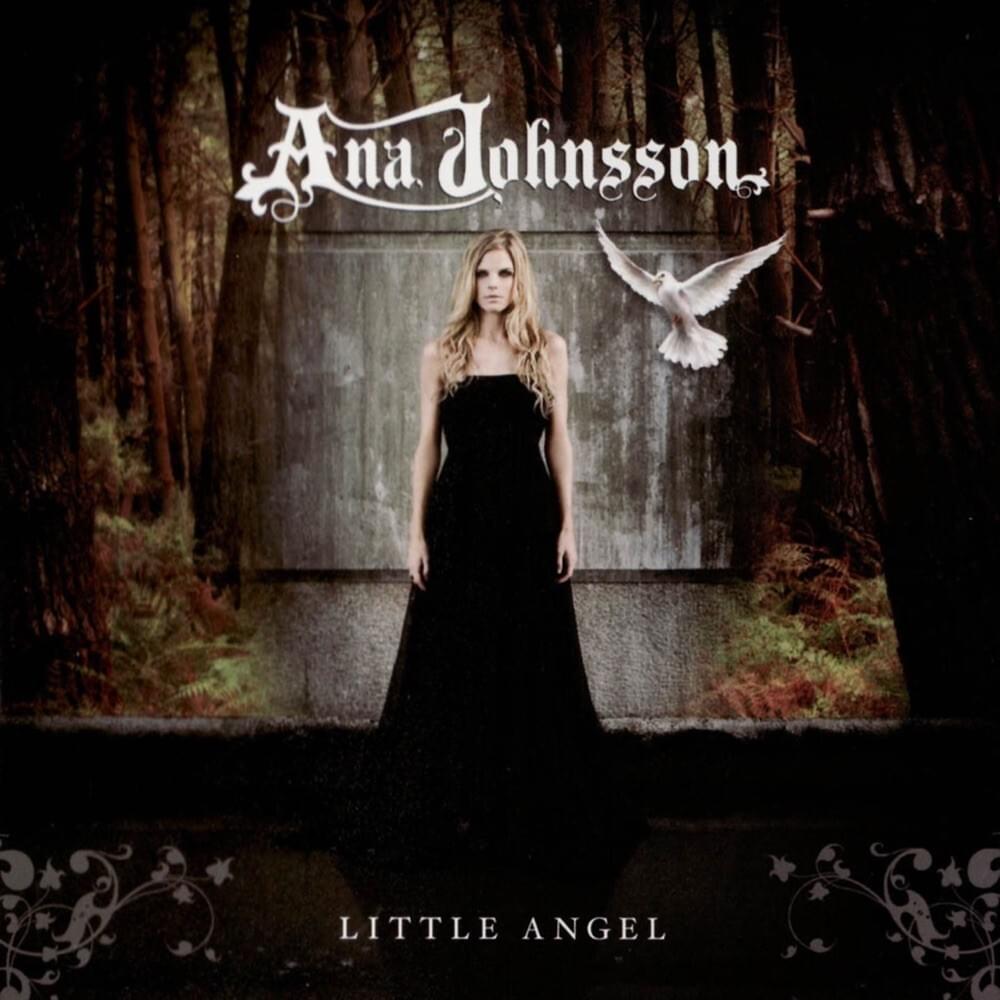
Ana Johnsson's relentless track "Catch Me If You Can" is a pure shot of adrenaline, but beneath the surface of its high-octane energy lies a fascinating exploration of identity, challenge, and the human spirit's refusal to be pinned down. The lyrics, a rapid-fire barrage of accusations and self-assertions, paint a portrait of someone who is constantly being judged and misunderstood. Phrases like "Too fast, too odious, too strong" and "Too weird - don't know where you belong" suggest a defiance against societal norms and expectations. This isn't just about being different; it's about embracing that difference as a source of power. The repetition of "Catch me if you can" becomes a taunt, a challenge to those who seek to define or control her. It's a dare to keep up, to understand, to truly see the individual beneath the surface.
The song’s meaning takes a darker turn as it critiques a world saturated with superficiality and passive acceptance. The lines "Too dizzy, too much junk TV / Too busy living through a screen / Don't ever question what you see" highlight a concern about the numbing effects of media and the importance of critical thinking. This adds another layer to the chase, suggesting that what's being pursued isn't just a person, but also a sense of authenticity in a world increasingly dominated by artificiality. The pre-chorus question, "Are you ready for this?" is not just a hype-builder, but an invitation to question the status quo.
Ultimately, the song's core message resides in the line, "Just gotta trust what's within." Despite the external pressures and judgments, the song emphasizes the importance of self-belief and inner strength. The final verses, with the recurring phrase "Can you feel me crawling under your skin," imply a deeper, almost unsettling connection. It suggests that the person being chased is not just running away, but actively challenging the pursuer's perceptions and forcing them to confront their own limitations. "Catch Me If You Can," therefore, is not simply a song about escape; it’s an anthem for self-acceptance and a call to break free from the constraints of societal expectations.
 View Artist