Song Meaning
The lyrics paint a picture of a relationship shattered by misinformation and a hasty departure. The narrator feels wronged, believing their partner was easily swayed by rumors and failed to consider the truth or the depth of their connection. The opening lines immediately establish a sense of betrayal, highlighting how easily the partner accepted external narratives over the narrator's reality. The narrator's plea, "Sin darme tiempo a decir si o no," underscores the abruptness of the separation, leaving them without a chance to defend themselves or clarify the situation.
The central tension lies in the narrator's unwavering belief in the authenticity of their love versus the partner's apparent susceptibility to external influence. The narrator asserts, "Que me di completa y sin condición," a declaration of total commitment that contrasts sharply with the partner's quick exit based on hearsay. This creates a poignant conflict: a love offered freely and fully, rejected due to unfounded accusations. The narrator's hope that the partner doesn't suffer the same fate suggests a lingering care, but also a bitter acknowledgment of the pain caused by this misunderstanding, framing the loss as "por un error."
A particularly striking element is the narrator's awareness of the partner's continued, albeit hidden, interest. The lines, "Pero te escondes / A ver las canciones que escribí para ti," reveal a complex dynamic where the partner claims to want nothing more to do with the narrator, yet secretly consumes the art created for them. This suggests the partner's actions are driven by internal conflict, unable to fully detach despite their outward pronouncements. The narrator's certainty, "que no puedes huir / De todo aquello que nos dimos," points to the enduring power of their shared past, a force the partner cannot escape.
Ultimately, the effectiveness of these lyrics stems from their raw portrayal of hurt and lingering affection born from miscommunication. The narrator's voice is one of dignified pain, not vengeful anger, but a clear-eyed recounting of how a relationship was lost due to a simple, yet devastating, mistake. The repetition of "Cuando comprendas / Que me perdiste por un error" serves as a powerful, almost mournful, refrain, emphasizing the tragic finality of the partner's misjudgment and the lasting consequence of that singular error.
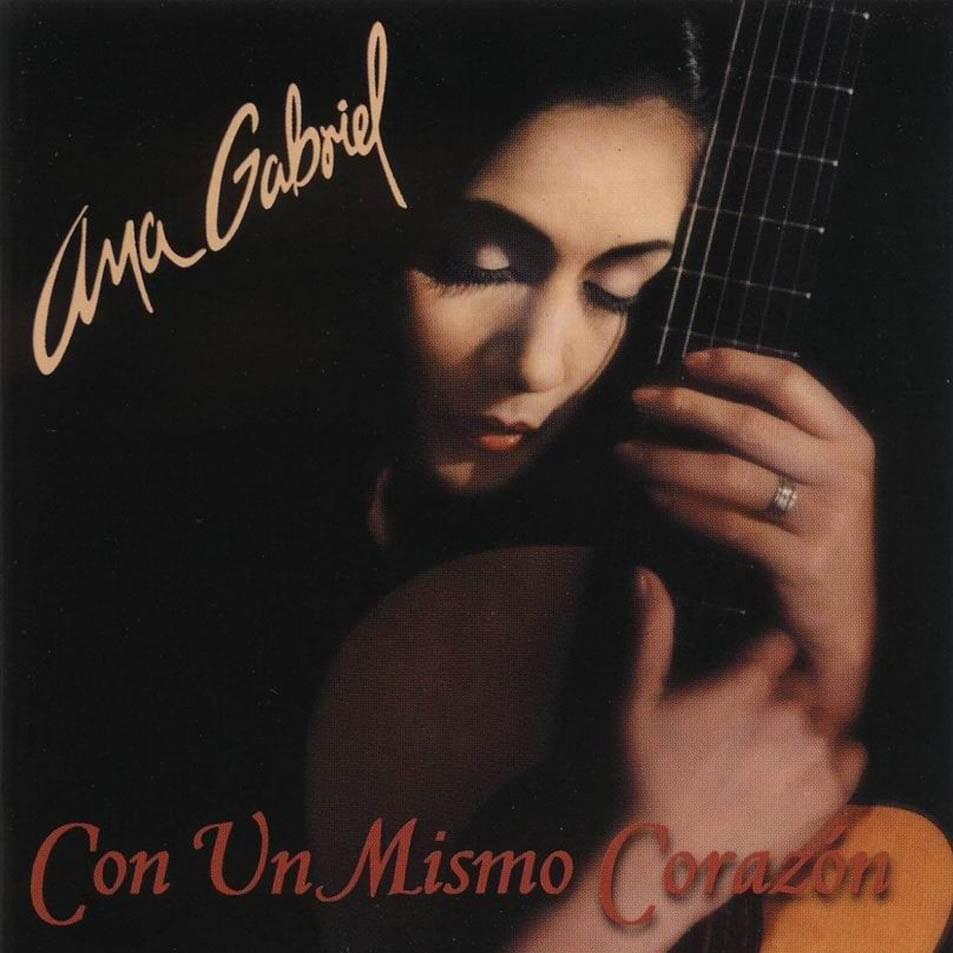
 View Artist