Song Meaning
The narrator lays out a complex self-portrait, describing themselves as a mix of contrasting traits: "un poco amarga" and "un poco dulce," "un poco loca" and "un poco cuerda." This duality isn't presented as a flaw, but as their inherent nature. The lyrics strongly suggest this self-awareness and perhaps even these very contradictions are amplified or brought into focus "solo por ti," indicating a profound impact this person has on them.
The core tension arises from this self-description leading directly into an overwhelming desire for complete union. The narrator feels capable of immense things, likening themselves to "una montaña" or "una estrella," yet this grandiosity is immediately channeled into a singular, all-encompassing want: "todo, todo, todo el universo." This isn't just about possessing the universe, but about having the beloved as an integral part of it, to be "compañera y amante fiel."
The most striking aspect is the insistent repetition of "Todo, lo quiero todo," directly juxtaposed with the rejection of "no solo un poco de tu amor." This isn't a plea for a small piece of affection; it's a demand for absolute totality, mirroring the vastness of the universe they wish to encompass. The structure reinforces this, with the desire for everything bookending the verses about their own dual nature, suggesting that this complete love is the missing piece that would make their whole self feel whole.
This lyrical approach creates a powerful emotional resonance by articulating a desire that feels both grand and deeply personal. The contrast between the narrator's self-acknowledged complexities and their straightforward, almost childlike demand for total love makes the yearning palpable. It’s this raw, unvarnished expression of wanting everything, specifically from one person, that makes the lyrics hit so hard.
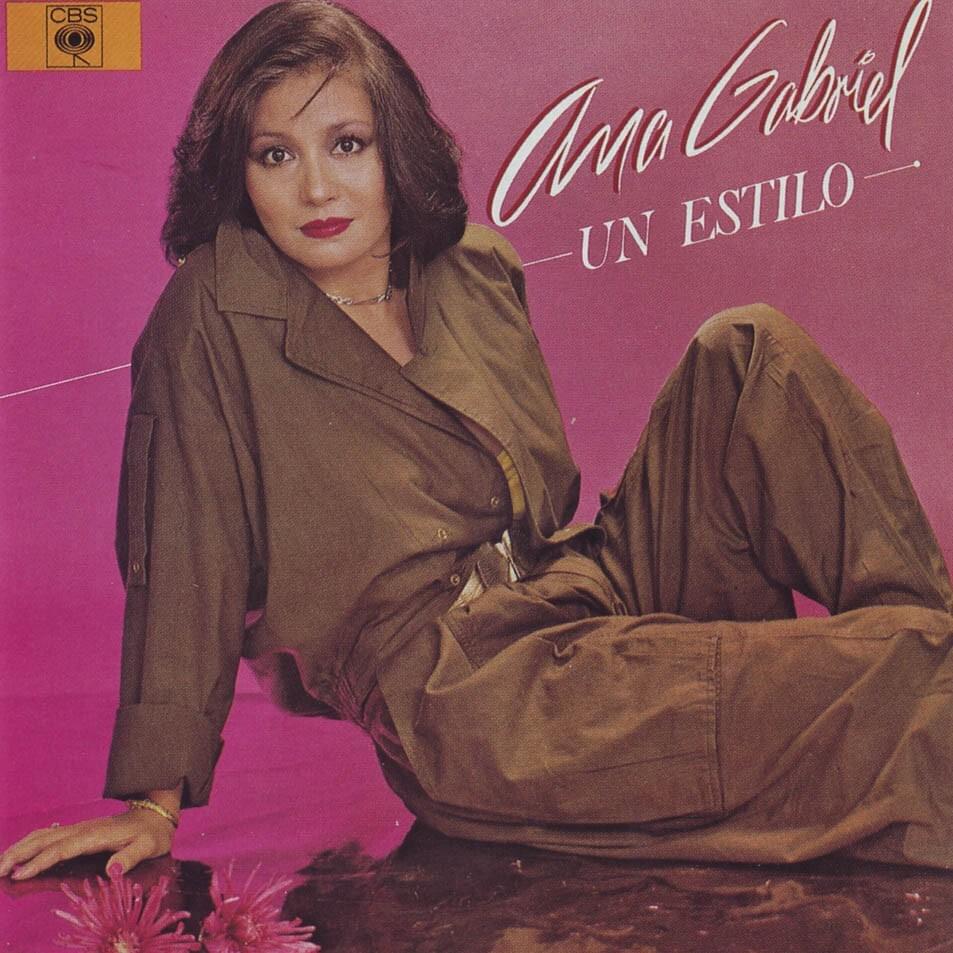
 View Artist